Are you spending hours perfecting your button artwork only to press it and get muddy colors with blurry edges? That's a printer problem, not a design problem. Finding the best printers for button making solves it at the source — the right machine delivers sharp circles, vivid color, and ink that survives the press without smearing or cracking. This guide gives you the clearest path from purchase to finished buttons you're actually proud of.
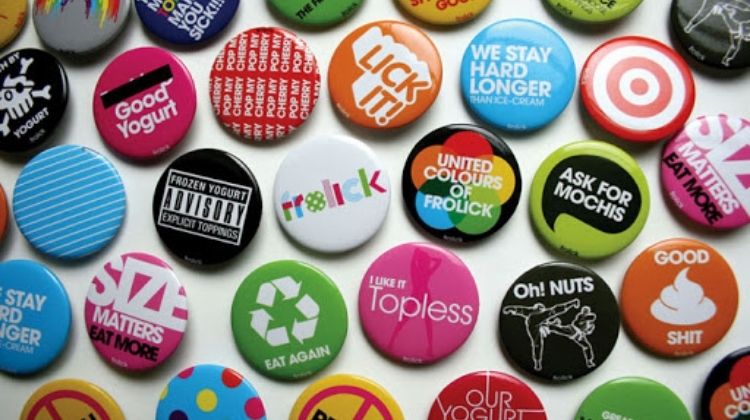
Button making puts specific demands on a printer that casual printing never reveals. Your design gets pressed flat against a metal shell under real mechanical force. The paper — usually a glossy or semi-gloss specialty sheet — needs to accept ink cleanly and hold it under pressure. A printer optimized for documents or even standard photo prints can fail completely here because it wasn't built with that process in mind.
At ShopChrisAndMary, we cover the full range of art and craft printers, and we've tested many setups across craft applications. This guide covers every decision that matters — from printer technology and resolution to paper settings and long-term cost — so you can press with confidence every time.
Contents
What Makes the Best Printers for Button Making Great (And What Holds Them Back)
No printer is perfect for every use case. Understanding what each technology does well — and where it falls short — saves you from buying the wrong machine and spending weeks troubleshooting poor prints.
Inkjet vs. Laser: The Real Trade-Offs
Inkjet printers are the go-to choice for button making for one primary reason: color fidelity. Inkjet technology lays liquid ink directly onto the paper surface, producing rich gradients, accurate skin tones, and saturated colors that pop. For button designs that rely on detailed artwork or photography, inkjet output is consistently superior.
That said, inkjet has real limitations you should know before you buy:
- Dye-based inks (common in budget models) fade faster than pigment-based inks — relevant if your buttons need to look sharp months from now
- Ink needs a brief cure time; pressing too quickly after printing risks smearing
- Some dye inks are water-sensitive, which matters for buttons worn outdoors or in humid conditions
Laser printers use dry toner that fuses instantly — no wait time, no smearing. They're consistent and fast for high-volume runs. But toner can crack under the mechanical pressure of a button press, especially on entry-level models. Color laser output also tends to look flatter than inkjet when it comes to vivid, saturated artwork. For most button makers, laser is a secondary option — useful for bulk text-heavy designs, but rarely the best choice for full-color art.
Resolution and Color Fidelity
Resolution determines how sharp your printed circle edges look. For button making, you need a minimum of 1200 native DPI — anything lower and you'll see jagged aliasing around curved edges. Most modern inkjet printers advertise 4800 x 1200 DPI or higher, which is more than enough.
Color fidelity comes down to two things: the printer's color gamut and its ICC profiles. ICC profiles are the software layer that translates what you see on screen into the correct ink output. Printers with strong driver support and wide gamuts deliver much better out-of-the-box color matching. According to Wikipedia's overview of inkjet printing technology, modern piezoelectric inkjet systems can produce ink droplets as small as 1–4 picoliters — that microscopic precision is exactly what creates the fine detail you see at high DPI settings.
Pro tip: Always print a single test circle on a full button sheet before committing to the whole batch. One test print saves an entire sheet of button paper when the color is off by two shades.
The Features That Actually Matter When You Buy
Most buyers compare brand names and prices. The crafters who get consistent, professional results compare specs. Run every candidate printer through these criteria before purchasing.
Print Resolution and Ink System
- Minimum 1200 x 1200 DPI native resolution — not interpolated, which is a marketing number that doesn't reflect real output quality
- Pigment-based ink lasts longer and resists fading significantly better than dye-based
- 6-color ink systems add light cyan and light magenta channels, producing smoother gradients — important for photographic button art
- Look for printers in the Epson EcoTank or Canon PIXMA Pro range if photographic quality matters to your designs
If you regularly print on thicker or specialty media, also check out our guide to the best printers for 110lb cardstock — many of the same machines that handle heavy cardstock also perform exceptionally well on button paper.
Media Compatibility and Paper Handling
Button paper is typically a glossy or semi-gloss sheet, often in the 60–80 lb weight range. Your printer needs to feed it without jamming and needs a media setting that matches glossy or photo paper so it applies ink correctly.
| Printer | Technology | Resolution | Ink Channels | Ink Type | Best For |
|---|---|---|---|---|---|
| Epson EcoTank ET-8550 | Inkjet | 5760 x 1440 DPI | 6 | Pigment | High-volume, photographic buttons |
| Canon PIXMA Pro-200 | Inkjet | 4800 x 2400 DPI | 8 | Dye | Professional color accuracy |
| Epson EcoTank ET-2803 | Inkjet | 5760 x 1440 DPI | 4 | Dye | Casual to mid-volume craft |
| Canon PIXMA G620 | Inkjet | 4800 x 1200 DPI | 6 | Dye | Mid-volume, balanced cost |
| HP Envy Inspire 7955e | Inkjet | 4800 x 1200 DPI | 4 | Dye | Budget, occasional use |
Key paper-handling features to look for:
- Rear straight-path feed tray — routes paper through without bending it around rollers, which prevents warping on glossy sheets
- A dedicated glossy photo paper mode in the driver — this adjusts ink volume to prevent over-inking and bleeding
- A separate photo tray so you can keep button paper loaded without disturbing your regular paper supply
Mistakes That Ruin Your Button Prints
Even a great printer produces bad output when the settings are wrong. These are the most common errors button makers run into — and every one of them is preventable.
Using the Wrong Paper and Media Settings
The single most common mistake is printing on the right paper but with the wrong media setting selected in the driver. When you load glossy button paper and leave the setting on "plain paper," the printer delivers the wrong ink volume. The result looks dull and slightly blurry even though your design file is perfect.
Always match the media type setting to the actual paper in the tray. "Glossy photo paper" or "premium glossy" is the correct setting for standard button paper. This one adjustment often transforms output quality immediately — no other changes needed.
Warning: Never print button designs at draft or economy quality. Those modes reduce ink drop density to save ink — exactly the wrong trade-off when precision and color saturation are the entire point.
Skipping Color Calibration and Profiles
You design something that looks vibrant on screen. You print it, and it comes out dull or with an unexpected color cast. This is a color management failure — and it's entirely preventable. Most quality printers include ICC color profiles for different paper types. Using the correct profile for your specific button paper dramatically improves color accuracy without any additional hardware.
If you're serious about matching screen to print, a basic monitor calibration tool is a worthwhile investment. They're not expensive, and the improvement in color consistency is immediately visible. Also avoid downloading generic third-party drivers — use the manufacturer's official driver package, which includes the full ICC profile library.
How to Print Button Designs Step by Step
Good prints start before you touch the print button. The prep work you do in your design software determines whether the final pressed button looks polished or amateur.
Preparing Your Artwork Files
Set these parameters in your design file before you even think about printing:
- Design at 300 DPI minimum — screen resolution (72–96 DPI) looks sharp on a monitor but prints soft and pixelated
- Use the correct circle diameter for your button size — a 1.25-inch button requires a 1.5-inch printed circle to account for the fold; a 2.25-inch button needs a 3-inch circle
- Include a bleed area of at least 1/8 inch beyond the cut line so the press doesn't expose a white paper edge
- Save as PNG or TIFF — both preserve edge detail without compression artifacts; JPEG compression softens edges and introduces color banding in gradients
- Use CMYK color mode if your printer driver supports it — it gives you more accurate color prediction before printing
For designs with complex backgrounds, layered textures, or mixed-media elements, read our guide on printers built for detailed craft printing — the techniques that produce clean wedding invitation output translate directly to button production.
Printing and Pressing
Once your file is prepared:
- Load button paper into the rear straight-path feed tray
- Open print settings and select the correct media type — glossy photo paper or the closest available match
- Set print quality to Best or Photo — never draft or economy
- Print a single test circle first and evaluate color accuracy, edge sharpness, and surface adhesion before running the full sheet
- Let the print air-dry for at least 2–3 minutes before pressing — even fast-drying inks benefit from a short rest
- Check the first pressed button carefully before continuing — look for ink transfer, color shift, or edge lifting that suggests a settings adjustment is needed
Breaking Down the True Cost of a Button-Making Printer
A printer's sticker price is only the opening bid. The real cost calculation includes ink consumption, paper waste from misprints, and how long the hardware lasts under regular use. Get this math wrong and you'll pay far more than you expected over time.
Upfront Cost vs. Ongoing Ink Expense
Traditional ink cartridge printers have low upfront prices but high per-page costs — some run $0.10–$0.15 per color page. On a full sheet of button designs, that adds up quickly. Tank-system printers (Epson EcoTank, Canon MegaTank) cost more upfront but drop per-page color costs to roughly $0.01–$0.02. If you press buttons regularly, a tank printer pays back the price difference within a few months of consistent use.
Factor in button paper cost separately. Quality semi-gloss inkjet sheets designed for button making run $0.05–$0.15 per sheet depending on brand. Cheaper paper produces cheaper results — this is not an area to cut corners if your designs are detailed.
Budget, Mid-Range, and Professional Options
- Budget ($80–$150): Canon PIXMA TR series, Epson Expression Home line. Good for casual makers pressing under 100 buttons per week. 1200 DPI, basic color management, cartridge-based ink.
- Mid-range ($150–$300): Epson EcoTank ET-2803, Canon PIXMA G620. Lower ink costs, better color accuracy, 6-color systems on select models. The sweet spot for regular button production.
- Professional ($300+): Epson EcoTank ET-8550, Canon PIXMA Pro-200. Six to eight ink channels, wide color gamut, excellent for high-volume shops or photographic button art that demands accuracy.
Match the tier to your actual volume. For occasional hobby use, a budget model delivers fully adequate results. For a small button business, mid-range tank printers are the clear value winner. For daily production with photographic artwork, invest in a professional model and stop fighting color management issues.
Frequently Asked Questions
Can I use any inkjet printer for button making?
Technically yes, but not every inkjet produces quality results. You need a printer that handles glossy or semi-gloss specialty paper without jamming, supports a "photo paper" media setting in its driver, and delivers at least 1200 native DPI. Entry-level printers with only a "plain paper" feed path often struggle with the thicker, coated stock used in button making. Check the printer's supported media types before purchasing.
What paper should I use for button making?
Use paper specifically designed for button making — it's typically a glossy inkjet sheet pre-cut or designed to work with standard button press sizes. As an alternative, premium glossy inkjet photo paper in the 60–68 lb range performs well. Avoid matte finishes, which absorb ink differently and produce duller colors, and never use plain copy paper, which causes ink bleeding and poor adhesion under the press.
Is a laser printer ever a good choice for button making?
Laser printers are viable for simple, text-heavy button designs in large volumes. The dry toner eliminates smearing concerns and speeds up production. However, toner can crack under the mechanical pressure of a button press, especially with cheaper toner formulations. For full-color artwork or photographic designs, an inkjet printer consistently produces better results. If you go the laser route, test thoroughly with your specific button maker and paper before committing to a production run.
The best printer for button making is the one matched to your paper, your ink system, and your actual volume — everything else is just noise.



About Chris & Marry
Chris and Mary are a couple with a shared background in graphic design and print production who have spent years working with printers across creative and professional contexts — from art printing and photo output to label production and professional document work. Their combined experience evaluating printer performance, color accuracy, and paper handling across inkjet and laser platforms gives them a practical, hands-on perspective on what makes a printer worth buying. At ShopChrisAndMary, they cover printer reviews, buying guides, and recommendations for artists, photographers, and professional users.
Time to get FREE Gifts. Or latest Free printers here.
Disable Ad block to reveal all the info. Once done, hit a button below