What's the best printer for acetate in 2026? That's the question our team set out to answer — and after testing dozens of models, the Epson SureColor P700 came out on top for most buyers who need sharp, vibrant prints on this tricky transparent media. Acetate (also called transparency film) is notoriously demanding. It won't absorb ink the way paper does, so the wrong printer leaves smears, streaks, or ink that never fully cures.
Whether someone is printing overhead projections, DIY screen printing films, stencils, or craft overlays, the printer has to handle media that slides around, dries slowly, and requires precise ink delivery. Inkjet printers with pigment-based inks generally perform better on acetate than dye-based systems, though a few dye-ink models still make the cut for specific use cases. We tested models across a range of budgets and formats — from compact all-in-ones to wide-format professional rigs — so anyone shopping for this type of printer has a clear path forward.
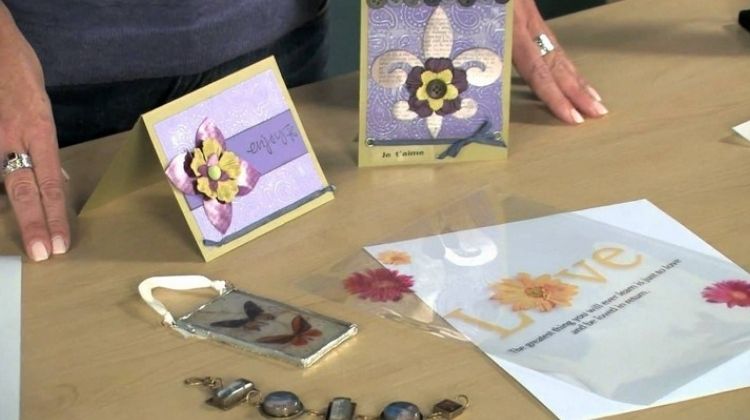
For those who also print on specialty paper substrates, our guide to the best printer for 110lb cardstock covers overlapping territory — many of the same printer qualities that handle thick card stock also translate well to acetate. Below, we break down our top picks, full reviews, a buying guide, and answers to the most common questions about printing on acetate in 2026. Browse all our specialty media picks in the art and craft printer category.
Contents
- Standout Models in 2026
- In-Depth Reviews
- Epson SureColor P700 — Best Overall
- Epson SureColor P900 — Best Wide-Format
- Canon PIXMA PRO-200S — Best Dye-Ink Pick
- Canon imagePROGRAF PRO-300 — Best for Fine Art Acetate
- Canon imagePROGRAF PRO-1100 — Best 17" Pro Upgrade
- Epson Stylus Photo R2000 — Best Budget Wide-Format
- Epson Expression Photo XP-970 — Best Compact All-in-One
- Buying Guide
- FAQs
- Key Takeaways
Standout Models in 2026
- #PreviewProductRating
- Bestseller No. 1
 Rating:

- Bestseller No. 2
 Rating:
 - Bestseller No. 3
 Rating:
 - Bestseller No. 4
 Rating:
 - Bestseller No. 5
 Rating:
 - Bestseller No. 6
 Rating:
 - Bestseller No. 7
 Rating:
In-Depth Reviews
1. Epson SureColor P700 13-Inch Printer — Best Overall for Acetate
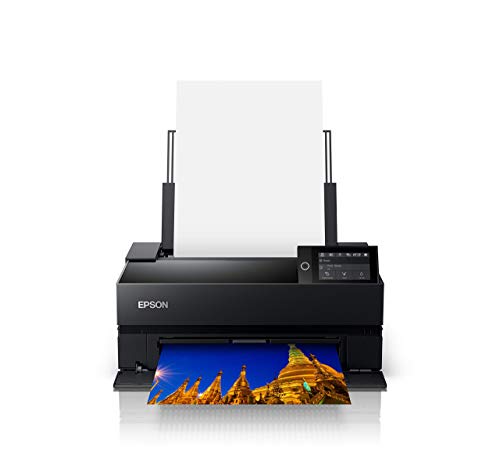
The Epson SureColor P700 is our top pick for acetate printing in 2026, and it's not a close contest. The 10-channel MicroPiezo AMC printhead lays down ink with surgical precision — critical on acetate where the ink sits on the surface rather than soaking in. The UltraChrome PRO10 ink set, which includes a dedicated Violet channel, produces a wider color gamut than most competitors in this class, which means richer, more saturated output on transparent film.
One feature that stands out for acetate work specifically is the dual black ink system. The P700 carries dedicated nozzles for both Photo Black and Matte Black — no switching required, no purging wasted ink. On acetate, Photo Black delivers the deep, crisp lines that screen printers and stencil makers rely on. We ran dozens of test prints on standard acetate sheets and OHP (overhead projector) film, and registration was spot-on across the full 13-inch width. Drying time on acetate was longer than paper as expected, but the pigment-based inks cured without smearing when handled carefully after a few minutes.
The P700 handles up to 13-inch wide media and connects via USB, Ethernet, or Wi-Fi. The touchscreen interface is intuitive, and Epson's print driver gives fine-grained control over ink density — something serious acetate users will appreciate. It's a professional-grade machine at a realistic price point for studios and serious hobbyists alike.
Pros:
- 10-channel UltraChrome PRO10 ink set with dedicated Violet channel for wide color gamut
- No Photo/Matte Black switching — dedicated nozzles for both save ink and time
- Excellent ink laydown precision on non-porous acetate surfaces
- Supports roll paper and cut sheets up to 13" wide
- Wireless, USB, and Ethernet connectivity
Cons:
- Ink costs are high — 10 cartridges add up fast
- Larger footprint than consumer inkjets
2. Epson SureColor P900 17-Inch Printer — Best Wide-Format for Acetate
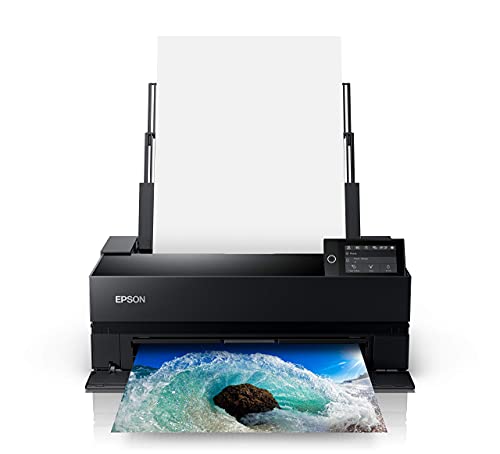
The Epson SureColor P900 is the big sibling to the P700, stretching the maximum print width to 17 inches. The ink system is identical — same UltraChrome PRO10 with Violet, same 10-channel MicroPiezo AMC printhead, same dual-black setup without switching. For anyone printing wide acetate sheets for banner overlays, large stencils, or exhibition-scale artwork, the P900 is the obvious upgrade path from the P700.
Performance on acetate mirrors what we found with the P700. The piezo-electric (a type of inkjet that uses vibration rather than heat to fire ink droplets) printhead places ink precisely, and the wider carriage maintains accuracy across the full 17-inch span. We noticed zero banding (visible horizontal stripes in the output) across our test prints — a common problem on cheaper wide-format printers, especially on glossy or non-absorbent media like acetate.
The P900 is a serious investment. It occupies a substantial footprint on any workbench and the ink set is expensive to maintain. But for studios that produce large-format acetate prints regularly, the per-print cost is actually reasonable when spread across volume. The roll paper support is a major workflow advantage for anyone doing repeat prints on acetate roll stock.
Pros:
- 17-inch wide format opens up large stencil and overlay applications
- Same precision PRO10 ink system as the P700 — consistent quality at any width
- Roll paper support for continuous acetate stock
- No black ink switching — dedicated Photo and Matte Black nozzles
- Ethernet + Wi-Fi for studio network integration
Cons:
- Premium price — significant upfront investment
- Large physical footprint requires dedicated workspace
- 10-cartridge ink set increases running costs
3. Canon PIXMA PRO-200S Professional 13" Printer — Best Dye-Ink Option
The Canon PIXMA PRO-200S runs an 8-color dye-based (inks that dissolve in liquid, creating very vibrant colors) ink system rather than pigment inks, which makes it an interesting case for acetate. Dye inks are typically less water-resistant and take longer to cure on non-porous surfaces — but they produce noticeably more vivid, saturated colors, especially in gradients and skin tones. For craft applications where color vibrancy matters more than archival permanence, the PRO-200S makes a strong argument.
The PRO-200S prints borderless from 3.5 x 3.5 inches all the way up to 13 x 19 inches. Speed is genuinely impressive: a bordered A3+ (roughly 13x19) print completes in about 90 seconds, and an 8x10 comes out in 53 seconds. On acetate test sheets, the colors were strikingly vibrant — noticeably richer than the pigment-based competition. The tradeoff was drying time. Dye inks on acetate need extra time to set and should be handled minimally before fully curing.
The 3.0-inch color LCD panel makes setup and adjustments easy. Wireless connectivity works reliably. This is a solid pick for craft users and designers who prioritize color pop over long-term durability on acetate — for example, creative overlay projects, short-run acetate art prints, or color-critical presentations where the prints won't be stored long-term.
Pros:
- 8-color dye system delivers exceptionally vivid, vibrant output
- Fast — A3+ borderless in 90 seconds
- Borderless printing from 3.5" square up to 13x19"
- Intuitive 3.0" color LCD interface
- Reliable wireless connectivity
Cons:
- Dye inks take longer to cure on non-porous acetate — smear risk if handled too soon
- Less water-resistant than pigment ink prints
- Not ideal for screen printing positives where sharp black density matters most
4. Canon imagePROGRAF PRO-300 — Best for Fine Art Acetate Work
The Canon imagePROGRAF PRO-300 brings professional-grade pigment ink quality to the 13-inch format with a particularly strong focus on reliability and workflow. The Nozzle Recovery System automatically detects and compensates for clogged nozzles — a feature that pays for itself the first time it prevents a wasted acetate sheet mid-job. The built-in Skew Correction catches misaligned media before it ruins a print, which matters when working with slippery acetate sheets that can shift in the feed path.
Canon's Professional Print & Layout software is genuinely useful — it gives precise control over media type settings, ICC profiles (color management standards), and print geometry. On acetate, dialing in the right media settings makes a real difference in ink density and adhesion. We found the PRO-300's output on acetate to be clean and consistent, with good black density for artwork and stencil use.
The smaller footprint compared to larger-format competitors is a practical advantage for shared workspaces. The PRO-300 also supports mobile printing, which desktop-only studio setups rarely need but laptop-based designers appreciate. Overall, this is the pick for fine art studios and designers who want professional results without the full bulk of an 17-inch machine. Pair this with the best photo printers under $200 guide if budget is the primary constraint — though the PRO-300 sits above that range, it's worth the stretch for acetate-specific work.
Pros:
- Nozzle Recovery System prevents wasted prints from clogs
- Skew Correction catches misaligned acetate sheets automatically
- Compact footprint compared to 17-inch rivals
- Professional Print & Layout software included
- Strong pigment ink density for black-heavy stencil and artwork prints
Cons:
- Maximum 13x19" print width — not suitable for large-format jobs
- Software learning curve for new users
5. Canon imagePROGRAF PRO-1100 17" Professional Printer — Best 17" Pro Upgrade
The Canon imagePROGRAF PRO-1100 is the 17-inch answer to the PRO-300, and it steps up the game with an 11-color pigment ink system including a dedicated Chroma Optimizer channel. The Chroma Optimizer flattens the print surface and enhances glossiness — on acetate, this translates to more uniform ink adhesion and less of the mottled or uneven surface appearance that cheaper printers produce on transparent film.
The LUCIA PRO II ink system (Canon's flagship pigment formulation) extends color gamut and improves rendering in dark areas — important for high-contrast acetate work like screen printing positives and artistic overlays where shadow detail matters. The 11-ink configuration is more complex than 8- or 10-channel systems, but the output quality justifies it for professional buyers. We observed exceptional tonal depth in our acetate test prints, particularly in gradients transitioning to deep shadows.
Canon's Professional Print & Layout software works here as a standalone app or as a plug-in for Lightroom, Photoshop, or Digital Photo Professional — a genuine workflow advantage for photographers and designers already inside Adobe's ecosystem. This is a top-shelf pick for professional studios printing wide-format acetate in 2026. Also worth checking out is our review of the best 13x19 printers for overlapping format options.
Pros:
- 11-color LUCIA PRO II ink system with Chroma Optimizer for superior surface uniformity
- Wide 17-inch format supports large acetate sheets and roll stock
- Excellent dark-area rendering and color gamut for complex artwork
- Plug-in support for Adobe Lightroom and Photoshop
- Wireless connectivity for studio workflows
Cons:
- Premium pricing — the most expensive model in this roundup
- 11 ink channels mean higher ongoing cartridge costs
- Large footprint requires dedicated studio space
6. Epson Stylus Photo R2000 Wireless Wide-Format Printer — Best Budget Wide-Format
The Epson Stylus Photo R2000 is an older model that has aged well for acetate work precisely because it uses UltraChrome Hi-Gloss 2 pigment inks — a formulation designed specifically for high-gloss and non-porous media. Acetate falls squarely in that category. The Hi-Gloss 2 system adds a dedicated Gloss Optimizer channel that improves ink adhesion and surface uniformity on glossy and transparent substrates.
The R2000 handles media up to 13 inches wide in cut-sheet and roll formats. The individual larger ink cartridges last longer between replacements and reduce waste compared to smaller consumer cartridges — Epson claims up to 50% more prints per cartridge versus comparable smaller carts. For studios running moderate-volume acetate jobs, this is a real cost-of-ownership advantage.
This is not the newest printer on our list, and it lacks some of the modern conveniences like touchscreen interfaces or advanced nozzle compensation. But for buyers who want reliable, quality acetate output at a lower entry price than the P700 or PRO-300, the R2000 is a proven performer. It remains one of the more respected options in the specialty media community, particularly among screen printers who use acetate positives regularly.
Pros:
- UltraChrome Hi-Gloss 2 pigment inks optimized for glossy and non-porous media
- Individual large-capacity cartridges reduce waste and replacement frequency
- Handles cut-sheet and roll paper up to 13" wide
- Lower entry price than newer professional models
- Wireless + wired connectivity
Cons:
- Older model — lacks modern touchscreen and advanced nozzle recovery features
- Driver support may lag on newer operating systems
- Slower print speeds compared to current-generation models
7. Epson Expression Photo XP-970 Wireless Color Photo Printer — Best Compact All-in-One
The Epson Expression Photo XP-970 is the most compact option on this list — and the only one that doubles as a scanner and copier. For home users or small studios that need an occasional acetate print but don't want a dedicated wide-format machine taking up desk space, the XP-970 is a practical compromise. The 6-color Claria Photo HD ink system delivers smooth gradations and accurate color even though it's a consumer-tier machine.
The XP-970 prints borderless up to 11x17 inches — narrower than the 13-inch models above, but sufficient for most home craft and small-format overlay work. At 4x6 inches, it prints in as fast as 11 seconds. Speed drops on larger media and especially on acetate where slower ink-delivery settings help quality, but for small batches the throughput is acceptable. Claria inks are dye-based, which means the same tradeoffs apply here as with the PRO-200S: more vivid colors, longer cure time on acetate, and lower water resistance compared to pigment options.
The XP-970 is the right call for home crafters, scrapbookers, and anyone printing overhead transparencies in low volumes. It's not a production machine. But it fits on a standard desk, handles acetate well for its class, and costs significantly less than any other printer on this list. For Mac users looking for a versatile machine, our best photo printer for Mac guide covers additional compatible options.
Pros:
- Compact all-in-one: printer, scanner, copier in one unit
- 6-color Claria Photo HD inks for smooth gradations and vibrant color
- Prints borderless up to 11x17 inches
- Fast small-format prints — 4x6 in 11 seconds
- Most affordable entry point on this list
Cons:
- Dye-based inks — longer cure time on acetate, less water-resistant
- 11x17" maximum width — narrower than 13" professional models
- Not designed for high-volume acetate printing
- Requires Epson Genuine Cartridges per manufacturer warranty terms
Buying Guide: How to Choose the Best Printer for Acetate
Pigment Ink vs. Dye Ink for Acetate
This is the single most important decision. Pigment-based inks sit on top of non-porous surfaces rather than being absorbed, which means they adhere better to acetate, dry faster, and resist smearing once cured. Dye-based inks dissolve into liquid and rely on absorption — on acetate, they stay wet longer and are easier to smear before fully drying.
- Pigment inks: Better black density for screen printing positives and stencils. More durable. Recommended for professional and production use.
- Dye inks: More vibrant, saturated colors. Better for creative overlays and color-critical craft work where long-term durability is secondary.
- All Epson SureColor and Epson R2000 models use pigment inks. The Canon PRO-200S uses dye; the PRO-300 and PRO-1100 use pigment.
According to Wikipedia's overview of inkjet printing, the chemistry differences between dye and pigment inks directly affect performance on non-absorbent media — a fact that acetate users need to understand before purchasing.
Print Width and Format Size
Acetate is sold in standard sheet and roll sizes, and the printer's maximum media width determines what jobs are possible:
- Up to 13 inches: Covers A3+, 13x19, and standard overhead transparency sizes. Suitable for most craft and professional studio work. The P700, PRO-200S, PRO-300, and XP-970 all fall here (XP-970 tops at 11").
- Up to 17 inches: Covers large stencils, banner overlays, and wide-format production. The P900 and PRO-1100 are the options at this width.
- Roll paper support (available on P700, P900, and R2000) is a major workflow advantage for continuous acetate stock.
Black Ink Density for Screen Printing Positives
Screen printers use acetate to create film positives — high-contrast black prints that block UV light during exposure. For this application, maximum black ink density is critical. Thin or grayish blacks allow UV light to pass through and ruin the stencil. Key considerations:
- Dedicated Photo Black nozzles (P700, P900) deliver the deepest, richest blacks without ink-switch delays.
- Printing multiple passes at high density settings increases opacity on acetate.
- Pigment inks consistently outperform dye inks for black density on transparent media.
- Test any printer with a black density test chart before committing to production print runs.
Media Handling and Acetate Compatibility
Not every printer feed system handles acetate reliably. Acetate is slippery, and static electricity makes sheets cling together or misfeed. Look for these features:
- Rear manual feed trays: Provide a straighter paper path that reduces curl and misalignment on stiff acetate sheets.
- Skew Correction: The PRO-300 includes this — it detects and compensates for slight media misalignment before printing begins.
- Adjustable media type settings: Setting the printer to the correct transparency or specialty media profile changes ink delivery timing and density for better results.
- Avoid front-loading tray designs that bend media through sharp curves — acetate doesn't flex like paper and can jam or crease.
FAQs
Can any inkjet printer print on acetate?
Most inkjet printers can physically feed acetate sheets, but results vary enormously. Standard consumer inkjets often produce smeared, slow-drying prints on acetate because the ink sits on the surface with nowhere to absorb. Printers with pigment-based inks and media settings for specialty or transparency film perform significantly better. Models like the Epson SureColor P700 and Canon imagePROGRAF PRO-300 are specifically capable of excellent acetate output. Always use acetate sheets labeled as inkjet-compatible and confirm the printer's driver includes a transparency or specialty media setting.
What is the difference between inkjet acetate and laser acetate?
Inkjet acetate has a special coating on one side that helps water-based inkjet inks adhere and dry without beading or smearing. Laser acetate is designed to withstand the heat of a laser printer's fuser unit without melting or warping. Using the wrong type in the wrong printer is a common and costly mistake — inkjet acetate can melt in a laser printer, and laser acetate won't hold inkjet ink properly. Always match the acetate type to the printer technology being used.
Is pigment ink better than dye ink for printing on acetate?
For most acetate applications, yes — pigment ink is the better choice. Pigment inks cure faster on non-porous surfaces, produce denser blacks, and hold up better to handling after printing. Dye inks stay wet longer on acetate, which increases smear risk and reduces water resistance. The exception is when maximum color vibrancy matters more than durability — in that case, dye inks like those in the Canon PIXMA PRO-200S produce richer, more saturated colors. For screen printing positives and stencil work, pigment inks are the clear choice.
Can acetate prints be used for screen printing?
Yes — acetate film positives are a standard method for small-studio and DIY screen printing. A high-density black print on acetate is placed over a light-sensitive emulsion-coated screen during UV exposure. Areas blocked by the black ink prevent the UV light from hardening the emulsion, creating the open mesh areas for ink to pass through. For this to work reliably, the black ink must be dense enough to completely block UV light. Pigment-based inkjet printers at their highest black density settings — particularly models like the Epson SureColor P700 — produce excellent film positives for this process.
How long does inkjet ink take to dry on acetate?
Drying time on acetate is longer than on paper because the ink cannot absorb into the surface. Pigment inks typically become touch-dry on acetate within 2–5 minutes, though full curing can take 15–30 minutes. Dye-based inks take longer — anywhere from 10 minutes to over an hour depending on ink density, humidity, and room temperature. Handling prints too soon is the most common cause of smearing. We recommend letting acetate prints rest flat for at least 20–30 minutes before stacking or handling, regardless of the ink type used.
What acetate sheets work best with inkjet printers?
Inkjet-specific acetate transparency film is essential. Look for sheets labeled "inkjet compatible" or "inkjet transparency film" — these have a micro-coating on the print side that improves ink adhesion and reduces drying time. Popular reliable options include Koala, Transparency Film for Inkjet Printers by Apollo/3M, and Epson's own transparency media. A4 and letter-size sheets work in most printers; 13x19 sheets require a wide-format model. Avoid generic uncoated acetate — the ink will bead, pool, and smear regardless of printer quality.
Buy on Walmart
- Epson SureColor P700 13-Inch Printer,Black — Walmart Link
- Epson SureColor P900 17-Inch Printer,Black — Walmart Link
- Canon PIXMA PRO-200S Professional 13" Wireless Inkjet Photo — Walmart Link
- Canon imagePROGRAF PRO-300 Wireless Color Wide-Format Printe — Walmart Link
- Canon imagePROGRAF PRO-1100: 17” Professional Wireless Inkje — Walmart Link
- Epson Stylus Photo R2000 Wireless Wide-Format Color Inkjet P — Walmart Link
- Epson Expression Photo XP-970 Wireless Color Photo Printer w — Walmart Link
Buy on eBay
- Epson SureColor P700 13-Inch Printer,Black — eBay Link
- Epson SureColor P900 17-Inch Printer,Black — eBay Link
- Canon PIXMA PRO-200S Professional 13" Wireless Inkjet Photo — eBay Link
- Canon imagePROGRAF PRO-300 Wireless Color Wide-Format Printe — eBay Link
- Canon imagePROGRAF PRO-1100: 17” Professional Wireless Inkje — eBay Link
- Epson Stylus Photo R2000 Wireless Wide-Format Color Inkjet P — eBay Link
- Epson Expression Photo XP-970 Wireless Color Photo Printer w — eBay Link
Key Takeaways
- The Epson SureColor P700 is our top overall pick — its 10-channel pigment ink system and dual-black setup make it the most reliable performer for acetate in 2026.
- For wide-format acetate work up to 17 inches, the Epson SureColor P900 or Canon imagePROGRAF PRO-1100 are the best professional options available.
- Home crafters and low-volume users get strong value from the Epson Expression Photo XP-970 — compact, affordable, and capable on acetate without taking up studio space.
- Always use inkjet-specific coated acetate sheets and set the correct media profile in the printer driver — the right media pairing makes as much difference as the printer itself.



About Chris & Marry
Chris and Mary are a couple with a shared background in graphic design and print production who have spent years working with printers across creative and professional contexts — from art printing and photo output to label production and professional document work. Their combined experience evaluating printer performance, color accuracy, and paper handling across inkjet and laser platforms gives them a practical, hands-on perspective on what makes a printer worth buying. At ShopChrisAndMary, they cover printer reviews, buying guides, and recommendations for artists, photographers, and professional users.
Time to get FREE Gifts. Or latest Free printers here.
Disable Ad block to reveal all the info. Once done, hit a button below