You were printing a batch of client photos when your HP printer suddenly paused mid-job to download a firmware update you never approved. Frustrating isn't quite the word for it. If you've been searching for how to disable web services on your HP printer, that moment probably sounds familiar — and this guide, put together by the team at ShopChrisAndMary's photo printer hub, walks you through every angle of that decision. Web services aren't inherently bad, but understanding what they actually do gives you real control over your device.
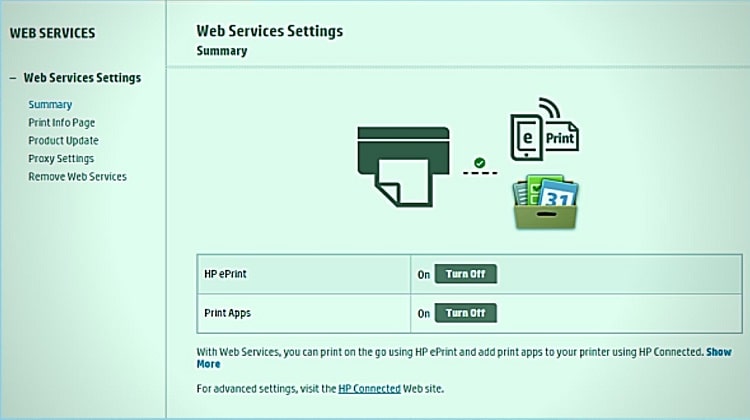
HP's web services platform — sometimes called HP Connected or ePrint — links your printer to HP's cloud infrastructure for remote printing, automatic firmware updates, and Instant Ink subscription management. Some of those features add genuine value. Others run quietly in the background, consuming bandwidth and occasionally creating conflicts with local print jobs. Before making any changes, it pays to understand exactly what you're switching off. If you've also wondered whether you can run your printer entirely without going online, the short answer is yes — and disabling web services is one of the cleanest ways to enforce that.
This guide covers the real tradeoffs, the exact steps for both the control panel and browser-based methods, quick fixes for the hiccups that sometimes follow, cost implications for Instant Ink subscribers, and a clear framework for deciding whether disabling is right for your workflow.
Contents
Trade-Offs Worth Knowing Before You Disable
Turning off web services isn't a dramatic change, but it does shift how your printer behaves on a daily basis. Running through the upside and downside before touching any settings puts you firmly in the driver's seat.
What You Gain
The most immediate benefit is reduced background network traffic. HP printers with web services enabled regularly communicate with HP's servers to check for updates, sync account data, and verify Instant Ink subscription status. Disabling web services stops all of that activity. You get faster local print response, no surprise firmware installs mid-job, and a printer that functions without any internet connection present.
Privacy is a secondary but legitimate factor. If your printer lives on a shared network — a small studio, a home office with multiple users, or a co-working environment — web services means HP's infrastructure periodically receives data about your device and usage patterns. Turning that off reduces your data footprint without affecting core printing capability.
What You Lose
The flip side deserves equal attention. HP Instant Ink subscribers should stop here: disabling web services suspends your subscription enrollment immediately. Your printer can no longer report ink levels to HP, and the service goes inactive until you re-enable web services. If Instant Ink is how you control printing costs, that's a meaningful tradeoff to weigh carefully.
You'll also lose the ePrint feature — the ability to send print jobs via email from anywhere — and automatic firmware updates stop entirely. That second point cuts both ways. You avoid surprise updates, but you also miss genuine bug fixes and security patches that HP releases over time.
| Feature | Web Services Enabled | Web Services Disabled |
|---|---|---|
| HP ePrint (email-to-print) | Available | Unavailable |
| Automatic firmware updates | Automatic | Manual only |
| HP Instant Ink subscription | Active | Suspended |
| Remote printer access | Available | Unavailable |
| Local USB / network printing | Available | Available |
| Background network traffic | Present | Eliminated |
How to Disable Web Services on Your HP Printer — Step by Step
The exact menu path varies by model, but the process is consistent across most modern HP inkjet and laser printers. Printers with a full touchscreen use tap navigation; models with a smaller two-line display use arrow keys to reach the same options.
Using the Printer Control Panel
Start at the printer's home screen and locate the setup icon — it typically looks like a wrench or a gear. From there, navigate to Web Services Setup or HP Web Services, then select Remove Web Services or Disable Web Services. Confirm the choice when prompted. The printer disconnects from HP's servers and resets the ePrint email address assigned to your device. This method requires no computer and takes under two minutes on most models.
If your HP printer's menu doesn't show a "Web Services" option, check that you're looking under Setup rather than Network — some models nest this setting differently depending on firmware version.
Using the Embedded Web Server
If you prefer managing settings from a browser, use your printer's embedded web server. Find the printer's IP address under Network Settings on the control panel, then type that address directly into any browser's address bar. Navigate to the Web Services tab and select the option to disable or remove the service. This method is particularly useful when managing multiple printers on a shared network, since you can reach each device from a single workstation without walking to each printer.
For context on how printer networking and port assignments work beneath the surface, this guide on printer port connections explains the underlying concepts clearly. If you're running into issues getting the printer recognized on the network before you even reach the web services settings, this troubleshooting guide for unresponsive printers can help you isolate whether it's a connectivity issue or something else entirely.
Solving Common Hiccups After You Disable
Most users find that printing returns to normal immediately after disabling web services. A small handful of minor issues do surface, though, and they're straightforward to address once you know what's causing them.
Printer Keeps Re-Enabling Web Services
Certain HP models will prompt you to re-enable web services every time you run a print job or open the settings menu — especially if the printer was originally configured through the HP Smart app's cloud setup flow. The fix is to complete the initial printer setup again without signing into HP Connected. On newer HP models, the embedded web server also has a Security section where you can restrict web service changes, which prevents other users on the network from accidentally turning it back on.
If you're experiencing broader driver or connectivity errors after the change — unrelated to web services specifically — a printer spooler reset often clears residual software conflicts. This walkthrough for printer spooler errors covers that process without requiring a full driver reinstall.
After disabling web services, print one test page via USB or local network before assuming everything is working — it takes thirty seconds and saves a lot of unnecessary troubleshooting.
HP Smart App Loses Printer Access
Disabling web services doesn't break local printing through the HP Smart app — it only removes cloud-dependent features. If the app loses the printer entirely after the change, delete and re-add the printer using the local IP address rather than HP's cloud discovery method. The app continues to work for local print and scan jobs with no internet connection required. This is a common point of confusion, but the fix is usually resolved in under a minute.
The Cost Picture — Ink, Subscriptions, and Long-Term Savings
Web services are free to use, but they connect to a subscription model with real cost implications. Running the numbers before you decide is worth the few minutes it takes.
Instant Ink Subscribers
HP Instant Ink plans typically range from around $0.99 per month for minimal page volumes up to $5.99–$24.99 per month for higher-volume tiers. Disabling web services immediately suspends your plan — the printer can't report ink levels, so HP pauses the service. You revert to buying standard cartridges at retail price. For light users printing under 50 pages a month, this often works out cost-neutral or cheaper. For anyone printing 100 or more pages monthly, Instant Ink's per-page economics are hard to beat without web services enabled.
Standard Cartridge Costs Without Web Services
Outside of Instant Ink, high-yield cartridge sets for most HP inkjet models run $20–$45 depending on the model and color configuration. For photo-focused users printing regularly, third-party ink suppliers can reduce that cost, though they may affect warranty coverage — worth noting before you commit. For a broader view of printer operating costs by category, this guide covering home and light-use printers includes ongoing ink cost breakdowns that apply regardless of web services status. If your printing skews toward business output like cards and labels, this business card printer review includes per-page cost analysis relevant to offline setups.
Situations That Call for Each Choice
No single answer fits every setup. Matching this decision to your actual workflow — rather than treating it as a universal best practice — is what separates a thoughtful configuration from a setting you'll regret or reverse in a week.
When Disabling Makes Sense
Disabling web services makes clear sense if your printer sits on a secure or isolated network where external connections are restricted by policy. IT administrators in small offices frequently disable HP web services on shared devices to control firmware update timing and prevent unauthorized remote access. The same logic applies on metered or slow connections, where HP's background traffic is a real nuisance rather than a theoretical one.
If you've already experienced unexpected mid-job firmware installs or unexplained printer reboots, disabling web services eliminates the root cause. You can update firmware manually at any time by downloading the update file directly from HP's official support site, which lists all available firmware versions by model number. Manual updates give you the same security coverage on your schedule, not HP's.
When Leaving It Enabled Is the Better Call
If ePrint is part of your regular workflow — sending jobs remotely from a phone, tablet, or client location — disabling web services removes that capability with no workaround. Active Instant Ink subscribers printing at volume will almost always save more by keeping web services on than by switching to retail cartridges. For users deep in photo printing workflows, staying connected also means access to HP's color calibration updates and print profile pushes delivered via firmware.
There's also a middle path worth considering: leave web services enabled but turn off automatic firmware updates inside the embedded web server. You keep ePrint and Instant Ink active while regaining control over when updates install. It's a less obvious option, but it resolves the most common complaint — surprise updates — without losing the features that actually earn their keep. For anyone navigating default credentials or access settings on HP printers, this guide to finding default printer login credentials covers how manufacturer defaults work across brands and applies directly to HP's EWS login.
Control over your printer starts with knowing what it's doing when you're not watching — deciding whether to disable web services on your HP printer is the most consequential setting most owners never think to change.



About Chris & Marry
Chris and Mary are a couple with a shared background in graphic design and print production who have spent years working with printers across creative and professional contexts — from art printing and photo output to label production and professional document work. Their combined experience evaluating printer performance, color accuracy, and paper handling across inkjet and laser platforms gives them a practical, hands-on perspective on what makes a printer worth buying. At ShopChrisAndMary, they cover printer reviews, buying guides, and recommendations for artists, photographers, and professional users.
Time to get FREE Gifts. Or latest Free printers here.
Disable Ad block to reveal all the info. Once done, hit a button below