The fastest way to fix a printer spooler error is to restart the Print Spooler service through Windows Services — and for most users, that single step clears the problem in under a minute. The Print Spooler is the Windows background service that manages every document waiting in your print queue, routing jobs to the correct device and handling communication between your software and the hardware. When it stalls, gets overloaded, or encounters a corrupted file, the entire queue freezes and your printer stops responding no matter how many times you click "Print."
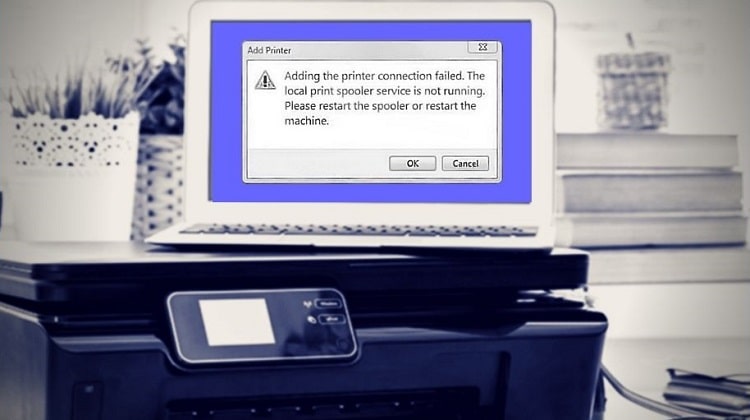
Most spooler failures are entirely software-related, which means no hardware swap and no technician visit in the majority of cases. According to the Wikipedia article on the Print Spooler, the service has been part of Windows since the early NT architecture, and the documented fixes have kept pace with every major Windows version. If you're also seeing brand-specific error messages alongside spooler issues, our guide on how to fix an Epson printer error state covers situations where the manufacturer's own software layer adds a second layer of complexity on top.
This guide covers every meaningful fix in the right order — starting with the simplest restart and working toward driver reinstalls and deeper system-level repairs — so you can stop at whichever step solves your specific problem without doing more work than necessary.
Contents
Spooler Fixes That Deliver vs. Those That Just Buy Time
Not every approach to a printer spooler error produces the same result, and understanding the difference between a genuine repair and a surface-level patch saves you from running the same fix every few days. The restart method is fast and low-risk, but it doesn't address what caused the stall if your problem keeps recurring on a regular schedule.
What a Restart Actually Fixes
Restarting the spooler clears the active job list, releases any locked files in the spool folder, and forces the service to reinitialize from a clean state. This works best when a single corrupted print job has wedged the queue, or when the spooler has consumed excessive memory after a long session of heavy printing. It's the correct first step in almost every scenario because it's completely reversible, takes less than sixty seconds, and carries no risk of data loss or system instability.
Pro tip: If restarting the spooler solves the problem but the error comes back within a day or two, a corrupted driver or a leftover job file in the spool folder is almost certainly the real culprit — the restart is masking it rather than fixing it.
Where Quick Fixes Break Down
If the spooler fails to start after a restart, or starts but immediately crashes again, you're dealing with something more persistent — typically a damaged driver, leftover .SHD or .SPL files in the spool directory, or a Windows system file corruption that prevents the service from running at all. In those situations, the restart only buys you a brief window before the problem returns, and you'll need the deeper methods covered later in this guide to reach a lasting fix.
Every Fix Method, Side by Side
The table below maps each repair approach to its effort level, the tools it requires, and the type of problem it actually targets. Use it as a quick reference to match the right method to your specific symptoms before you start.
| Fix Method | Effort | Tools Needed | Best For | Risk Level |
|---|---|---|---|---|
| Restart Print Spooler service | Very Low | Windows Services | Temporary stalls, frozen queue | None |
| Clear spool folder manually | Low | File Explorer | Stuck or corrupted print jobs | Very Low |
| Run Windows Printer Troubleshooter | Low | Windows Settings | Automated diagnosis, common errors | None |
| Reinstall printer driver | Medium | Device Manager, manufacturer site | Driver corruption, recurring crashes | Low |
| Run SFC / DISM scans | Medium | Command Prompt (Admin) | System file corruption | Very Low |
| Registry key repair | High | Registry Editor | Deep spooler configuration damage | Medium |
How to Read and Use This Table
Start at the top and work down in order. If restarting the service and clearing the spool folder resolve your issue, you never need to touch the driver or the registry at all. Only escalate to higher-risk methods when lower-effort fixes genuinely fail — that principle keeps your troubleshooting both safe and efficient without creating new problems in the process.
What You'll Need Before You Start
Jumping into spooler troubleshooting without the right access levels is one of the most common reasons people get stuck partway through a fix. A couple of minutes of preparation prevents that entirely.
Software Access and Tools
- A Windows user account with administrator privileges — most fixes require elevated access
- Access to Windows Services (search
services.mscin the Start menu) - File Explorer access to
C:\Windows\System32\spool\PRINTERS - Command Prompt opened as Administrator, for running SFC and DISM if needed
- Your printer's latest driver downloaded from the manufacturer's website, ready to go before you start
Network and Printer Access
If your printer is shared across more than one computer, confirm that nobody else is actively sending jobs during your troubleshooting session — a new print job arriving mid-fix can relock the spool folder and undo your work. For shared printer setups, our walkthrough on how to connect two computers to one printer using USB explains the network configuration that can sometimes contribute to spooler conflicts when two machines compete for access to the same queue.
How to Fix a Printer Spooler Error: The Core Steps
These two steps resolve the majority of printer spooler errors and should be your starting point before anything more complex. Run them in sequence — the first prepares the service for the second to work correctly.
Restarting the Print Spooler Service
- Press Win + R, type
services.msc, and press Enter to open Windows Services - Scroll to "Print Spooler" in the list and right-click on it
- Select Stop and wait until the service status clears completely
- Right-click again and select Start to bring it back online
- Print a test page to confirm the queue is moving again
Warning: Stopping the Print Spooler cancels every job currently waiting in the queue — verify that no critical documents are pending before you proceed with this step.
Clearing the Print Queue Manually
After stopping the spooler service, open File Explorer and navigate to C:\Windows\System32\spool\PRINTERS. Delete every file inside this folder — these are the queued job data files and their accompanying metadata files. Do not delete the folder itself, only its contents. Restart the spooler service afterward, and the queue rebuilds cleanly, free of whatever corrupted job was blocking it in the first place.
Simple Path vs. Deep Repair
The level of fix you need depends on how persistent and how severe your spooler problem actually is. Most users land in the beginner category; a smaller group will need to go deeper into the system to reach a durable resolution.
The Beginner Approach: Restart, Clear, and Test
If you've never opened Windows Services before or you're not comfortable editing system files, start with the built-in Windows Printer Troubleshooter — find it under Settings → System → Troubleshoot → Other Troubleshooters. It automates the restart-and-clear process and flags driver conflicts it detects automatically. It won't fix everything, but it handles the most common cases without any manual risk, and it gives you a diagnostic report you can use to inform the next step if the automated fix doesn't fully work.
Advanced: Driver Reinstall and Registry Repair
For spooler crashes that keep returning, uninstall your printer driver completely through Device Manager, reboot the computer, then download the latest driver directly from the manufacturer's website and perform a clean install. If the spooler still won't stay running, you may need to inspect and repair the registry keys under HKEY_LOCAL_MACHINE\SYSTEM\CurrentControlSet\Services\Spooler — always create a full registry backup via File → Export in Registry Editor before making any changes there. Running sfc /scannow in an elevated Command Prompt is also worth doing at this stage, since Windows system file corruption is an underappreciated trigger for persistent spooler failures.
Keeping Your Spooler Stable Long-Term
Once you've resolved the immediate problem, a small set of ongoing habits keeps the spooler running cleanly and reduces the chances of the same error returning a few weeks down the road.
Maintenance Habits That Prevent Crashes
- Don't leave large or complex print jobs queued overnight — cancel any pending jobs when you're done for the day
- Avoid sending multiple large jobs simultaneously if your system is already under heavy load
- Clear the spool folder manually every few months as routine maintenance, even when everything appears normal
- In Windows Services, set the Print Spooler's startup type to "Automatic" so it restarts on its own after an unexpected crash
- On the Recovery tab of the spooler's Properties dialog, set all three failure conditions to "Restart the Service" for automatic recovery
Driver and OS Update Strategy
Keep your printer driver current, but don't install every driver update the moment it releases — wait a week or two after major updates and check manufacturer forums for reports of spooler conflicts before committing. Windows Updates that touch the printing stack can occasionally introduce spooler instability with older printer models, and the manufacturer's response driver usually follows within a short window. Professionals managing multiple printers across a shared environment will find additional hardware and workflow context in our professional printer resources section.
When to Keep Troubleshooting vs. When to Stop
There's a point at which continued troubleshooting on the same machine costs more time than it's worth, and recognizing that threshold is part of smart, sustainable maintenance practice.
Signs You Should Keep Going
- The spooler starts successfully but crashes after a few minutes — driver or system file corruption is fixable with the methods above
- The problem appeared immediately after a specific Windows Update — a rollback or manufacturer patch is likely available within days
- Event Viewer shows a specific spooler error code — most documented codes have clear, targeted solutions you can look up directly
Signs It's Time to Stop and Escalate
If you've cleared the spool folder, reinstalled the driver, run SFC and DISM, and the spooler still won't remain running, the problem has likely moved beyond the spooler itself into a deeper Windows installation issue — at that point, a Windows repair install is a more practical next step than additional spooler troubleshooting. If your printer is old enough that its manufacturer no longer releases drivers compatible with your current version of Windows, that's a natural end to the troubleshooting path and a reasonable signal that new hardware will serve you better than continued repair attempts on aging equipment.
Frequently Asked Questions
Why does my printer spooler keep stopping automatically?
A spooler that stops on its own is almost always caused by a corrupted driver, a damaged .SPL or .SHD file left in the spool folder, or a Windows system file error that prevents the service from sustaining itself. Start by clearing the spool folder and reinstalling the printer driver — those two steps resolve the majority of recurring crash cases without needing to go deeper into the system.
Can a printer spooler error cause permanent damage to my printer?
No — a spooler error is a software-side issue on your computer, not a hardware failure in the printer itself. Your printer remains unaffected by spooler problems on the host machine, and fixing the spooler restores normal function without any risk to the device. The printer simply waits for jobs to arrive and has no awareness of what's happening in Windows Services.
Do I need to fix the spooler on every computer if I use a shared printer?
Only on the computer where the spooler error is occurring. Each Windows machine runs its own Print Spooler instance independently, so a crash on one PC doesn't affect the spooler on other computers connected to the same printer. If multiple computers are experiencing spooler issues simultaneously, the printer driver or a shared network configuration is the more likely common cause worth investigating first.
Next Steps
- Open
services.mscright now and restart your Print Spooler service — confirm it moves to "Running" status before doing anything else. - Stop the spooler, navigate to
C:\Windows\System32\spool\PRINTERS, delete all files inside, then restart the service and send a test page. - If the problem persists, go to Device Manager, uninstall your printer driver completely, reboot, and download the current driver fresh from the manufacturer's website.
- Run
sfc /scannowin an elevated Command Prompt to check for underlying Windows file corruption that may be preventing the spooler from staying stable. - Set the Print Spooler's Recovery tab options to "Restart the Service" for all three failure conditions, so the service recovers automatically if it crashes again in the future.



About Chris & Marry
Chris and Mary are a couple with a shared background in graphic design and print production who have spent years working with printers across creative and professional contexts — from art printing and photo output to label production and professional document work. Their combined experience evaluating printer performance, color accuracy, and paper handling across inkjet and laser platforms gives them a practical, hands-on perspective on what makes a printer worth buying. At ShopChrisAndMary, they cover printer reviews, buying guides, and recommendations for artists, photographers, and professional users.
Time to get FREE Gifts. Or latest Free printers here.
Disable Ad block to reveal all the info. Once done, hit a button below