Ever stared at an "ink low" warning right before printing something important and wondered, can I just skip the black cartridge and print anyway? The good news — you often can. Learning how to make your Epson printer print without black ink is easier than most people expect, and this guide walks you through it step by step. Whether you need a color photo, a craft template, or a quick draft, there's usually a workaround ready to go.
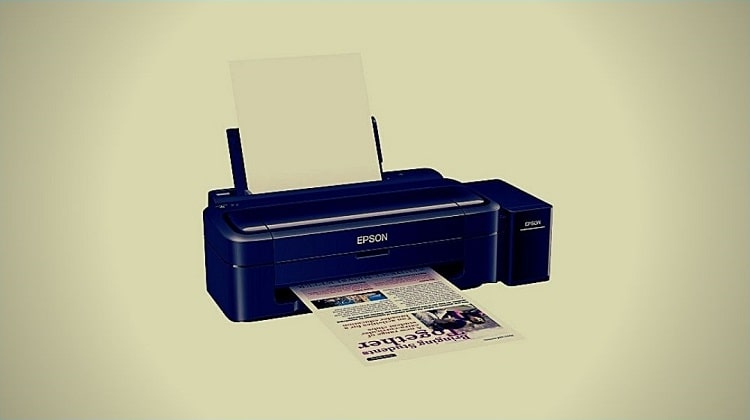
Epson inkjet printers are engineered to use all installed cartridges by default — even for color-heavy prints. That design choice can feel frustrating when your black ink hits empty but your cyan, magenta, and yellow are full and waiting. Fortunately, the fix usually lives inside your printer driver settings, and it takes just a few clicks.
Keep in mind that results vary by model, and some Epson printers handle this better than others. We'll cover both Windows and Mac methods, explain what composite black actually means, and help you decide when color-only printing is a smart call versus when you should just grab a new cartridge. For more hands-on guides like this one, browse our full printing tips section.
Contents
- Why Epson Printers Halt When Black Ink Runs Out
- How to Make Your Epson Printer Print Without Black Ink
- When Color-Only Printing Actually Makes Sense
- Color-Only vs. Full Ink Cartridge: What to Expect
- Smart Ways to Stretch Your Ink and Avoid Running Out
- Keeping Your Epson Healthy During Low-Ink Stretches
- Frequently Asked Questions
- Final Thoughts
Why Epson Printers Halt When Black Ink Runs Out
Before you start tweaking settings, it helps to understand what's actually happening under the hood. Most Epson inkjet printers — from the budget-friendly Expression series to the higher-end WorkForce line — are designed to blend all cartridges together, even for color prints. That means your printer is quietly dipping into the black cartridge to deepen shadows, enrich dark areas, and produce more accurate color tones on every page.
According to Wikipedia's overview of inkjet printing, inkjet systems mix tiny ink droplets at a microscopic level to reproduce the full visible color spectrum. Black is frequently mixed into darker regions of even colorful prints, which is why the printer treats it as required rather than optional.
The Firmware Lock Explained
Epson builds an ink-check system directly into both the printer firmware and the driver software. When a cartridge falls below a set threshold — or is flagged as completely empty — the printer stops. This protects the print head (the component that actually sprays ink onto the page) from running dry and overheating. A burned-out print head can mean permanent hardware damage, and replacing it often costs more than buying a new printer. It's a legitimate safety measure, even if it feels like overkill when all you need is one quick printout.
Not All Epson Models Are the Same
Here's the thing: older Epson models tend to be more forgiving. Many will let you print a few extra pages after the "ink empty" warning before fully locking up. Newer models — particularly EcoTank printers — often have stricter firmware that halts immediately. If you're also seeing error codes alongside the ink warning, check out our guide on how to fix Epson printer error state for more troubleshooting steps. And if you're curious how different Epson printer technologies compare overall, this comparison of Epson solvent printers vs. inkjet printers is worth a read.
How to Make Your Epson Printer Print Without Black Ink
Here's what you actually came for. The core technique is to switch your printer driver to color-only mode, which tells the printer to skip the black cartridge entirely and mix color inks to simulate black where needed. The steps differ slightly between Windows and Mac, but the underlying approach is identical.
Pro tip: This method works best when your color cartridges are full or close to it. Attempting color-only printing with low color ink as well will likely result in patchy, faded prints.
Steps for Windows Users
- Open your document or photo and click File → Print.
- Select your Epson printer, then click Printer Properties or Preferences.
- Navigate to the Main tab in the Epson driver dialog.
- Under color settings, select Color (not Black or Grayscale).
- Click Advanced and look for an option like Print in Grayscale using Color Inks or similar.
- On many models, a pop-up will appear when black ink is low — simply choose Print in Color when prompted.
- Click OK and send the print job.
Many Epson models will automatically show a dialog box asking whether you'd like to continue printing using only color ink once black runs out. If you see that prompt, it's your printer telling you it supports this mode natively. Just confirm the choice and you're good to go.
Steps for Mac Users
- Open your document and go to File → Print.
- In the print dialog, find the dropdown menu (often labeled "Copies & Pages") and select Printer Features or Color Matching.
- Look for a Color Settings or Advanced Color Settings section.
- Change the ink setting to use color inks only instead of composite or automatic mode.
- If a warning dialog appears about the empty black cartridge, confirm you want to print with color ink.
- Hit Print.
Mac driver menus shift slightly depending on your version of macOS and the specific Epson model you own. If the exact labels don't match what you see, look for anything referencing ink type, color mode, or ink selection. The goal in every case is to tell the driver: skip black, use color only.
When Color-Only Printing Actually Makes Sense
Color-only printing isn't something you'd want as your permanent setup, but there's a meaningful range of situations where it's the right call. Understanding where it shines — and where it falls short — helps you make better decisions without wasting ink.
Craft Projects and Photos
For photos, scrapbook pages, and colorful craft templates, color-only printing can look surprisingly good. These projects rarely depend on deep, sharp black — they live in vibrant color blends. If you're into creative printing projects, our guide on how to make a homemade scrapbook covers print choices, paper types, and layout tips that pair perfectly with color-first printing. Color-only mode works especially well for:
- Photo prints dominated by warm or bright tones
- Craft templates, coloring pages, and decorative layouts
- Greeting cards with illustrated or photographic backgrounds
- Any project where solid black text isn't a major element
Documents and Quick Drafts
For text-heavy pages, the situation is more nuanced. Your printer can technically create black text by blending cyan, magenta, and yellow together — this is called composite black. It works, but the result looks slightly softer and less crisp than true black ink, and it burns through your color cartridges much faster than a dedicated black cartridge would. Use composite black for rough drafts, reference copies, or anything where appearance isn't critical. For polished final documents, wait until you have a fresh black cartridge installed.
Heads up: Composite black text often reads as slightly brownish or grayish rather than true black — especially visible on plain white paper. It's subtle on screen previews but more obvious in person.
Color-Only vs. Full Ink Cartridge: What to Expect
Before you commit to printing in color-only mode, it helps to understand the real trade-offs. Here's a straightforward comparison of what changes and what stays the same.
| Feature | Color-Only Mode | Full Ink Mode (Black + Color) |
|---|---|---|
| Black Text Sharpness | Softer (composite black) | Crisp and sharp |
| Photo Print Quality | Good for bright/warm images | Excellent across all tones |
| Color Ink Usage | Higher than normal | Standard usage |
| Print Speed | Slightly slower on some models | Normal speed |
| Best Use Case | Photos, crafts, colorful docs | All-purpose printing |
| Black Cartridge Required | No | Yes |
| Long-Term Cost | Higher (color ink depletes faster) | Lower overall |
The table makes it clear: color-only mode is a useful bridge, not a permanent replacement. It's smart for specific jobs but expensive as a daily habit. If your printer is throwing other errors beyond the ink warning, the issue might be unrelated to ink entirely — our guide on what to do when your computer recognizes the printer but it won't respond covers a different but common problem worth knowing about.
Smart Ways to Stretch Your Ink and Avoid Running Out
The best fix for running out of black ink is avoiding the situation altogether. A few small habits can dramatically extend how long your cartridges last and keep you from scrambling for workarounds.
Using Ink-Saving Modes
Most Epson printers include a draft or economy print mode that uses noticeably less ink per page. For internal documents, reference sheets, or anything you're printing to read once, draft mode is your best friend. Here's how to build the habit:
- Set draft mode as the default in your Epson printer properties for everyday use
- Reserve normal or best-quality mode for final prints, presentations, and photos
- Use grayscale for text-only documents — it uses your color inks far less
- Always preview before printing to avoid wasted reprints
If you print regularly from a home office setup, it's also worth knowing your options for offline printing. Our article on whether you can use a printer without going online covers offline modes, driver settings, and what actually requires an internet connection — useful context for managing your full printing workflow.
Buying and Storing Cartridges Wisely
Keep at least one spare black cartridge on hand at all times. Epson ink has a shelf life — typically one to two years from manufacture, and six months after opening — so don't over-stockpile. Store unopened cartridges in a cool, dry spot away from direct sunlight. Buying multi-packs is almost always more economical than buying single replacements, especially for black ink, which most households and offices go through fastest. Setting a simple reminder to reorder when you swap in the last spare is a habit that pays off quickly.
Keeping Your Epson Healthy During Low-Ink Stretches
Pushing your printer near the limits of its ink levels puts a little extra stress on the system. Inkjet print heads are precise, delicate components — they can clog when ink dries inside the nozzles, particularly after a cartridge empties completely and lets air into the system. A bit of regular maintenance makes a real difference.
Print Head Maintenance Basics
Epson's built-in utility includes a nozzle check and print head cleaning function — both accessible through the Maintenance section of your Epson printer software. Run a nozzle check first: it prints a small test pattern that reveals any clogged nozzles as gaps or breaks in the lines. If the pattern looks uneven, run one head cleaning cycle. Avoid running it more than two or three times back to back, since each cycle consumes a small amount of ink. Keeping your roller system clean matters too — dust and debris build up over time and cause feed problems that make ink issues worse. Our step-by-step guide on how to clean printer rollers covers exactly what to do.
Knowing When to Just Replace the Cartridge
Color-only printing is a workaround, not an indefinite solution. If you're printing a lot of text, you'll cycle through color cartridges much faster than normal when relying on composite black. Watch your color levels carefully. And if unusual sounds start coming from the printer during a job, that's a separate issue — check our article on how to fix a printer making a grinding noise before the problem gets worse. Replace your black cartridge when you notice any of these signs:
- Text is consistently blurry or uneven even after a head cleaning cycle
- Color prints have unexpected brownish or grayish tints in dark areas
- The printer throws persistent error codes that won't clear
- You've been relying on color-only mode for more than a week straight
- Your color cartridge levels are dropping unusually fast
Frequently Asked Questions
Can all Epson printers print without black ink?
Not all models support this feature equally. Older Epson Expression and WorkForce printers tend to be more permissive and will often prompt you to continue with color ink when black runs low. Newer EcoTank models frequently have stricter firmware that stops printing entirely. Try the driver settings method described in this guide — if no option appears, your specific model may not support it. Checking your printer's user manual or Epson's support site can confirm compatibility.
Will using composite black damage my Epson printer?
No, printing with composite black — a blend of cyan, magenta, and yellow inks to simulate black — will not damage your printer. It's a supported mode that many Epson models handle without issue. The trade-offs are practical rather than mechanical: you'll use more color ink and get slightly softer black tones, but the hardware itself is not at risk.
How can I tell if my Epson model supports color-only printing?
The simplest test is to try it: open your printer properties, set the mode to color, and attempt to print when black is low or empty. If a dialog box appears asking whether you'd like to continue using color ink only, your printer supports it natively. You can also search your printer's model number on Epson's support website and look for ink management or cartridge FAQ entries for your specific device.
Is composite black more expensive than just replacing the black cartridge?
In most cases, yes. Composite black uses three color inks simultaneously to approximate black, which means your color cartridges deplete much faster than normal. If you're printing regularly, you could end up replacing all three color cartridges more often than you'd replace a single black cartridge. Use composite black as a short-term bridge, not a cost-saving strategy — the math rarely works in its favor over time.
What if my Epson still refuses to print after I change the settings?
If your printer won't budge even after switching to color-only mode, the cartridge may be fully empty past the point the firmware will override, or your model may have a hard lock in its firmware. Try restarting the printer, reinstalling the Epson printer driver, and checking for firmware updates through Epson's website. If error codes are appearing alongside the ink warning, our guide on how to fix Epson printer error state has specific troubleshooting steps that can help.
Final Thoughts
Getting your Epson printer to print without black ink is genuinely doable — it takes just a few minutes in your driver settings, and the color-only method is a solid short-term solution for photos, crafts, and quick drafts. Start by trying the steps outlined in this guide for your operating system, keep a close eye on your color cartridge levels while you're in this mode, and order a replacement black cartridge sooner rather than later so you're not scrambling the next time a deadline hits.



About Chris & Marry
Chris and Mary are a couple with a shared background in graphic design and print production who have spent years working with printers across creative and professional contexts — from art printing and photo output to label production and professional document work. Their combined experience evaluating printer performance, color accuracy, and paper handling across inkjet and laser platforms gives them a practical, hands-on perspective on what makes a printer worth buying. At ShopChrisAndMary, they cover printer reviews, buying guides, and recommendations for artists, photographers, and professional users.
Time to get FREE Gifts. Or latest Free printers here.
Disable Ad block to reveal all the info. Once done, hit a button below