Studies suggest that the average household printer handles over 1,000 pages per month — yet most of those sheets are printed on just one side, doubling paper costs for no reason. If you want to cut that waste immediately, knowing how to print both sides HP printer-style is the single most effective change you can make to your printing workflow. It's faster to set up than you'd expect, and once it's your default, you won't go back. For anyone looking to upgrade to a machine purpose-built for high-volume two-sided output, our roundup of the best duplex laser printers is a great place to start.
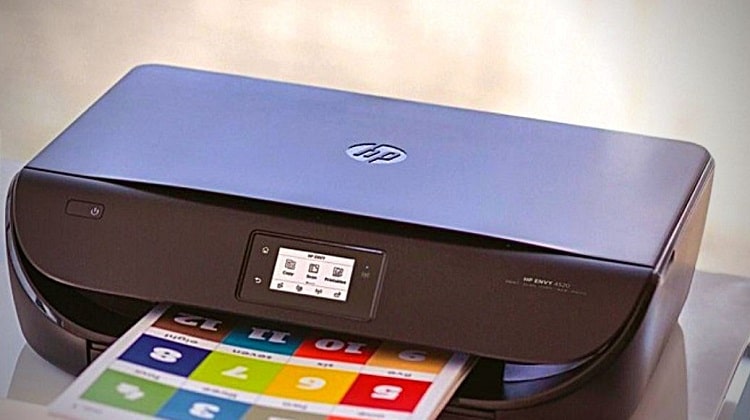
HP printers handle duplex printing in two distinct ways: automatic duplex, where the printer mechanically flips each sheet and prints the second side on its own, and manual duplex, where you print one side, reload the stack, and let the printer finish the job. Which method you have access to depends on your specific HP model — but both work reliably once you understand the steps involved.
This guide covers everything: step-by-step instructions for both duplex methods, a side-by-side comparison table, real use cases where two-sided printing delivers the most value, best practices for sharp and consistent output, and maintenance habits that keep your HP printer performing well over time. Whether you're printing business reports, greeting cards, or reference booklets, you'll have everything you need right here.
Contents
How to Print Both Sides on Your HP Printer: Step-by-Step
Before you start, take thirty seconds to confirm whether your HP has an automatic duplex unit. The easiest check: open any application's print dialog, click into printer preferences, and look for a "Two-Sided Printing" or "Duplex Printing" section. If it's there with Long/Short Edge binding options, you have automatic duplex. If you see "Manual" or nothing at all, you're working with the flip-it-yourself approach. Either way, here's exactly what to do.
Automatic Duplex — Let the Printer Do the Work
Automatic duplex is the smoothest path. The printer handles the page flip internally between sides — you just send the job and collect the finished stack. Here's the process on Windows:
- Open your document (Word, PDF viewer, browser — anything with a print function).
- Press Ctrl + P to open the Print dialog.
- Click Printer Properties or Preferences next to your HP printer name.
- Navigate to the Finishing, Layout, or Duplex Printing tab — the label varies by driver version.
- Select Print on Both Sides or Two-Sided Printing.
- Choose your binding edge: Long Edge (flips like a book — standard for portrait pages) or Short Edge (flips like a notepad — use for landscape pages).
- Click OK, then Print. The printer handles the rest.
On a Mac, the steps differ slightly:
- Press Cmd + P to open Print.
- In the dropdown menu within the print dialog, select Layout.
- Set Two-Sided to Long-Edge Binding or Short-Edge Binding.
- Click Print.
If duplex options don't appear in either dialog, try opening the HP Smart app instead — it sometimes exposes settings that the OS-level print dialog hides, especially on newer OfficeJet and LaserJet models. You can also check under Settings → Bluetooth & devices → Printers & scanners → [Your HP] → Printing preferences to set duplex as your permanent default.
Pro tip: Set two-sided printing as your default in Windows printing preferences so every print job starts duplex-enabled — you only have to do it once.
Manual Duplex — The Flip-It-Yourself Method
No automatic duplexer? No problem. Manual duplex works on virtually every HP inkjet and laser model ever made. It requires a bit more attention, but it's completely reliable once you nail the paper orientation for your specific printer.
- Open the Print dialog and enable Manual Duplex or Print on Both Sides Manually. This option may be in the main dialog or buried in Printer Properties.
- Click Print. The printer outputs all odd-numbered pages (side one).
- When prompted — or when the printer pauses — remove the printed stack from the output tray.
- Flip the stack face-down and reload it into the input tray. The top of the printed page should face in first on most HP inkjets. Some LaserJets reverse this — check by printing a single test sheet first.
- Click OK or Continue in the on-screen prompt. The printer runs the even-numbered pages on the blank sides.
Orientation is the trickiest part. If side two comes out upside down or mirrored, rotate the stack 180° before reloading and try again on a test sheet. One practice run wastes a single sheet of paper — a misaligned 40-page report wastes a lot more. Once you've confirmed the correct flip direction for your HP, make a note of it for future jobs.
Automatic vs. Manual Duplex — A Side-by-Side Look
Both methods get the job done, but they're not interchangeable for every situation. Understanding the trade-offs helps you decide which approach makes sense for the type of printing you do most.
Feature Comparison Table
| Feature | Automatic Duplex | Manual Duplex |
|---|---|---|
| Hardware requirement | Built-in duplex unit required | Works on any HP printer |
| User involvement | Minimal — set it and walk away | Moderate — must reload paper mid-job |
| Alignment accuracy | Very consistent | Variable until you learn your printer's orientation |
| Print speed | Slightly slower (mechanical flip adds time) | Depends on how quickly you reload |
| Paper jam risk | Slightly higher — duplexer adds a feed path | Lower — one pass at a time |
| Best suited for | High-volume, frequent duplex jobs | Occasional two-sided printing |
| Driver setting required | Yes — Finishing or Layout tab | Yes — Manual Duplex option |
| Cost to enable | Included on qualifying models | Free on all HP printers |
Which HP Models Support Automatic Duplex?
Automatic duplex is standard on mid-range and above HP models. Entry-level printers typically omit it to keep costs down. Here's a general breakdown by series:
- HP LaserJet Pro M series (M402, M404, M454, M479) — Automatic duplex is standard across most models in this line.
- HP OfficeJet Pro series (8025, 9015, 9025, 9125) — Duplex is standard; the HP Smart app makes it easy to toggle per job.
- HP Color LaserJet Pro series (M255, M283, M454) — Duplex standard; color output on both sides is clean and well-registered.
- HP ENVY series — Mid-range ENVY models typically include duplex; entry-level units often don't.
- HP DeskJet series — Most DeskJet models lack automatic duplex. Manual duplex is usually the only option.
According to Wikipedia's overview of duplex printing, automatic duplexers became standard equipment on most mid-range and above printers within the past decade — so if your HP model was released in the last few years, there's a good chance it has the feature. Older budget models are less likely to include it.
When Two-Sided Printing Really Shines
Knowing how to print both sides is only half the equation. Understanding when to use it helps you get consistent, practical value from the feature — not just for saving paper, but for producing better-looking output.
Everyday Office and Home Documents
This is where duplex printing pays off most quickly and most consistently. Jobs that benefit immediately:
- Reports, proposals, and memos — Two-sided output looks deliberate and professional. A 20-page report suddenly becomes a compact 10-sheet document that's easier to read and easier to file.
- Reference materials and how-to guides — Duplex-printed reference sheets are easier to organize and store than single-sided stacks. You flip through them like a book rather than sorting through loose pages.
- Presentation handouts — Print slide summaries or notes two-sided and staple the corner. Attendees keep tidy handouts much longer than loose-leaf stacks.
- Receipts and records — Archiving paper receipts? Print them duplex to cut binder space in half. The same applies when you need to print copies of correspondence for your records.
- Web pages and articles — If you're printing reference content from the web, duplex makes long articles manageable. Our guide on how to print a web page covers formatting tricks that pair well with duplex output.
For most home office users, setting duplex as the default saves hundreds of sheets per month without adding any extra steps. The paper cost reduction alone typically justifies enabling it permanently.
Creative Projects and Specialty Printing
Duplex printing opens up a range of creative applications that single-sided output simply can't support. A few standout use cases:
- Folded greeting cards and half-fold cards — Two-sided printing is essential for cards that fold in half. The inside message prints on side two. Our dedicated guide on how to print half-fold greeting cards covers the orientation setup in detail — it pairs directly with the manual duplex method above.
- Mini booklets — Print a booklet-formatted PDF two-sided, fold the stack in half, and you have a clean, saddle-stapled booklet. Great for event programs, instruction guides, or zines.
- Study flashcards and index cards — Two-sided index cards pack twice the information. See our guide on printing index cards on an HP printer for tray settings and card size configuration.
- Free printable sets — Many free printables — planners, activity books, educational worksheets — are specifically designed for duplex output. Printing them single-sided wastes the intended layout.
- Photo book layouts — If you work on printed photo projects, our photo printer section covers equipment and settings suited for art-quality two-sided output on compatible media.
Heads up: Avoid running thick card stock or specialty photo paper through an automatic duplexer — paper weight limits are real, and a jam in the flip mechanism is more disruptive than a jam in the main paper path.
Best Practices for Cleaner, Crisper Duplex Results
Most duplex problems trace back to two things: the wrong paper and the wrong settings. Get both right, and you'll rarely encounter issues. Here's what experienced duplex users do differently from beginners.
Choosing the Right Paper
Paper selection matters more in duplex printing than in single-sided jobs. The sheet takes two passes through the feed path and has to stay flat, feed cleanly, and resist bleed-through on both sides.
- Use 20–24 lb bond paper for standard duplex jobs. This is the sweet spot. Lighter paper (below 18 lb) shows bleed-through from the opposite side; heavier paper (above 28–32 lb) may not feed cleanly through automatic duplexers.
- Matte paper duplex better than glossy. Glossy and semi-gloss coatings slow ink absorption, which means side one may still be slightly tacky when the sheet re-enters the printer for side two — leading to smearing and roller marks.
- Avoid pre-punched or pre-scored paper in automatic duplex jobs. The holes and score lines can snag in the flip mechanism. Run these through manual duplex only.
- Be careful with specialty media like black cardstock. If you've ever wondered about printing on black cardstock, know that it's not duplex-friendly — the card stock weight typically exceeds the duplexer's limit, and the rollers can leave marks on the surface.
- Keep paper dry and flat. Humid or wavy paper causes misfeeds on any printer, but the problem is amplified in duplex mode because the sheet takes two passes through the feed path. Store paper sealed until use.
Fixing Common Duplex Problems
Even with the right paper and settings, duplex printing occasionally produces unexpected results. Here's how to diagnose and fix the most common issues:
- Side two prints upside down (manual duplex): Rotate your reload stack 180° before reinserting. HP inkjets vary in feed direction — a single test sheet is worth more than a dozen guesses.
- Content shifts or misaligns on side two: Fan the paper stack before reloading to reduce static cling, and make sure the stack sits squarely in the tray guides. Even slight misalignment gets amplified across long print jobs.
- Ink smears on side two (inkjet): Increase the print quality to "Best" mode or use HP's "Delay Between Pages" setting if it's available. Inkjet pages need dry time before re-entering the printer.
- Output looks faint or streaky: Run a printhead cleaning cycle from the HP software. If the issue persists after cleaning, check the guide on making your HP printer print darker — ink density settings and print quality adjustments are often the fix.
- Paper jams in the duplexer: Power off the printer, clear all jammed media carefully (including small torn fragments), then run a test sheet of plain 20 lb paper before resuming. Never tug paper forcefully through the duplexer mechanism.
Keeping Your HP Printer in Top Shape
Duplex printing puts more mechanical demand on your printer than single-sided output. Each page travels through the feed path twice, the rollers engage more frequently, and the duplexer's flip mechanism collects paper dust and debris over time. A few simple maintenance habits prevent most of the problems that creep in with regular two-sided use.
Cleaning Routines for Regular Duplex Users
If you're printing both sides several times per week, these steps should become part of your regular printer care routine:
- Clean the feed rollers every two to three months — or whenever you notice skewed, misfed, or double-fed pages. Use a lint-free cloth lightly dampened with distilled water. Avoid alcohol-based cleaners on rubber rollers, as they accelerate drying and cracking, which worsens feeding problems over time.
- Run a printhead cleaning cycle periodically. Access it via HP Software → Printer Maintenance → Clean Printheads. On inkjet models, streaks and banding that appear only on side two of a duplex job often point to a partially clogged nozzle rather than a settings issue.
- Clear paper dust from the duplexer bay. Use a soft brush or a can of compressed air to clear debris from the flip mechanism once every few months. Accumulated dust increases jam frequency and can cause slight misalignments over time.
- Keep the paper tray covered when not in use. Dust settling on loaded paper transfers into the paper path on every job. A covered tray — even just the lid flap on most HP trays — makes a noticeable difference on print quality over weeks of use.
- Allow adequate ventilation around the printer. Heat buildup inside the printer can affect ink drying times on inkjet models, increasing smear risk on the second side. Don't store your HP in an enclosed cabinet during active use.
Knowing When to Run a Test Page
A test page is your fastest diagnostic tool. When duplex output starts looking off — smeared ink, alignment drift, inconsistent color from side one to side two — a test page often pinpoints the problem in under a minute. It's far faster than troubleshooting blind.
Most HP printers let you print a test page directly from the control panel without a computer connection. Our step-by-step walkthrough on how to print a test page on an HP printer covers every model variant and explains what the color bars and registration marks actually mean — so you can interpret the result, not just stare at it.
Beyond test pages, keep your HP's firmware and driver updated. HP regularly releases firmware fixes that address duplex-specific bugs — slow duplex speeds, page-ordering errors, and binding edge miscalculations are all issues that HP has corrected through driver updates for various models. Enable automatic updates in the HP Smart app to catch these fixes without manual checking. Updated drivers also ensure that new paper size profiles and tray configurations work correctly with two-sided jobs.
Frequently Asked Questions
Why doesn't my HP printer show a duplex printing option in the print dialog?
The most common reason is that your printer doesn't have a built-in duplex unit, so the driver doesn't expose the option. Confirm your model's specs on HP's product page. If duplex is listed as a feature but the option still doesn't appear, reinstall the full-feature HP driver from HP's support site — the basic Windows inbox driver often omits duplex settings entirely. If your model genuinely lacks hardware duplex, look for a "Manual Duplex" option instead, which most drivers include even on non-duplex printers.
Can I print both sides on photo paper using an HP inkjet printer?
In most cases, it's not recommended. Standard photo paper is coated on one side only — printing the uncoated back produces poor quality. Additionally, glossy and semi-gloss sheets slow ink absorption, increasing the risk of smearing when the sheet re-enters for side two. Stick to standard 20–24 lb matte bond paper for duplex jobs, and use single-sided mode for all photo media.
What's the difference between long-edge and short-edge binding in HP's duplex settings?
Long-edge binding flips the page along its longer side — the finished result reads like a standard book or report, and it's the correct choice for most portrait-oriented documents. Short-edge binding flips along the shorter side — the result reads like a notepad or a calendar, and it's what you want for landscape-oriented pages. When in doubt, long-edge binding is the right default for everyday portrait printing.
Final Thoughts
Once you know how to print both sides on your HP printer, it becomes one of those settings you leave on permanently — the paper savings are real, the output looks more professional, and the setup takes less than two minutes. Start with a single test job today, confirm the paper orientation if you're going manual, and set duplex as your default going forward. If you're printing frequently enough that automatic duplex would genuinely change your workflow, head over to our best duplex laser printer guide to find a model worth the investment.



About Chris & Marry
Chris and Mary are a couple with a shared background in graphic design and print production who have spent years working with printers across creative and professional contexts — from art printing and photo output to label production and professional document work. Their combined experience evaluating printer performance, color accuracy, and paper handling across inkjet and laser platforms gives them a practical, hands-on perspective on what makes a printer worth buying. At ShopChrisAndMary, they cover printer reviews, buying guides, and recommendations for artists, photographers, and professional users.
Time to get FREE Gifts. Or latest Free printers here.
Disable Ad block to reveal all the info. Once done, hit a button below