Over 30 million Americans participate in scrapbooking as a regular hobby, and the shift to digital design files has made it possible to print digital scrapbook paper at home for a fraction of what physical paper packs cost at craft stores. If you've downloaded a gorgeous paper set and aren't sure how to get those vivid colors and sharp textures onto real cardstock, this guide covers every step of the process. From file prep to printer settings to long-term workflows, you'll have everything you need to produce prints that look exactly as striking in your hands as they do on screen. Our reviews of art and craft printers are a great companion if you're also in the market for a machine built for this kind of work.
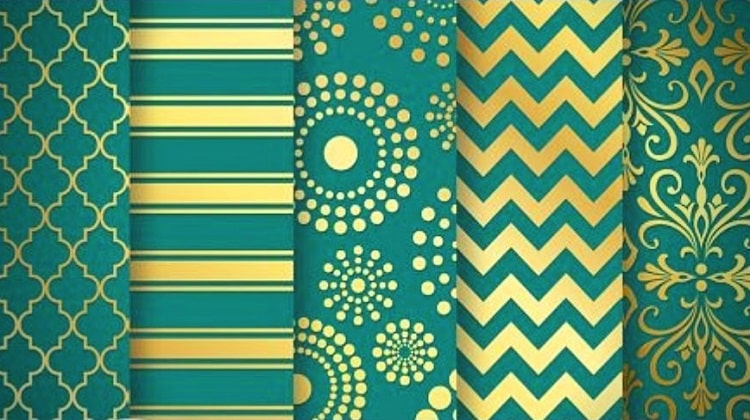
Digital scrapbook paper is sold as high-resolution image files — typically JPEG or PNG at 300 DPI — designed to match standard paper dimensions like 12×12 or 8.5×11 inches. That 300 DPI minimum is non-negotiable. A screen-optimized 72 DPI file looks crisp on your monitor but prints soft, blurry, and washed out. Always verify resolution before purchasing a set, and stick with designers who list their file specs clearly.
The skills you build here transfer to dozens of other printing projects. Once you understand how your inkjet handles color-rich files and heavy media, you can apply the same knowledge to printed art, cards, and album pages. If you're building a full memory book from scratch, our walkthrough on how to make a homemade scrapbook pairs naturally with this guide.
Contents
What Is Digital Scrapbook Paper?
Scrapbooking as a craft has existed for well over a century, but the digital version changes the game entirely. Digital scrapbook paper is a high-resolution graphic file — usually 12×12 inches at 300 DPI — designed to replicate the look of decorative craft paper: florals, geometrics, watercolor washes, textured solids, seasonal themes, and thousands of other styles. You download the file, open it in a viewer or editor, print it, and use it exactly as you would a physical sheet purchased at a craft store. The difference is that you can access hundreds of coordinated designs instantly, reprint as many copies as you need, and store your entire collection on a hard drive instead of a shelf full of paper packs.
File Formats You'll Encounter
Most digital paper sets come in one of three formats. Know what you're working with before you print:
- JPEG — Flat, opaque background with a slightly compressed file size. Works perfectly for solid patterns, textures, and any design where transparency isn't needed.
- PNG — Supports transparent areas. Useful when you're layering elements in editing software before printing, or when a design has irregular edges meant to overlap other papers.
- PDF — Common for multi-page sets and kits. Open in Adobe Acrobat Reader or any PDF viewer and print page by page. No editing software required.
Regardless of format, always confirm the file is 300 DPI at its intended print dimensions. A 3600×3600 pixel file is exactly right for a 12×12 inch print at 300 DPI. Anything smaller will print with visible softness, especially on textured cardstock where the paper surface amplifies every imperfection.
Why Printing Still Beats Staying Digital
You could design entirely on-screen — and many crafters do. But there are clear, practical reasons to put ink on paper:
- Physical paper can be cut, torn, layered, stamped on, and embellished in ways digital files can't replicate
- Printed albums last for decades when stored with archival materials
- Tactile, handmade pages feel more personal than a digital slideshow
- Physical books are shareable with anyone, regardless of tech comfort level
- Cost per page runs $0.30–$0.70 when printing at home, versus $1.00–$1.50 for physical designer paper at retail
The Best Ways to Use Printed Scrapbook Paper
Once you can reliably print digital scrapbook paper at home, the range of projects you can tackle grows considerably. Here are the most practical and popular applications.
Albums and Memory Books
This is the core use case. Full 12×12 printed sheets work as complete page backgrounds in traditional scrapbook albums. You layer photos, die cuts, journaling cards, and embellishments on top. Alternatively, cut sheets into strips, squares, or shapes for layered accent pieces.
- Print full backgrounds on 80–100 lb cardstock for the rigidity an album page needs
- Print accent and layering pieces on 28–32 lb paper — easier to cut and less bulky when layered
- Always print a test strip of your pattern on plain paper before committing to cardstock to verify colors match the screen preview
- For 8.5×11 format albums or mini books, reduce your 12×12 files proportionally and print directly to standard letter-size cardstock
Cards, Tags, and Decorative Accents
Printed scrapbook paper elevates handmade cards, gift tags, journal covers, packaging inserts, and decorative envelopes. A single 12×12 sheet yields four 6×6 card bases when cut cleanly. Use a bone folder and scoring board for crisp, professional folds on heavier stocks.
If you want to get the most out of each sheet by arranging multiple design elements together before printing, our guide on how to print a picture on multiple pieces of paper covers exactly this tiling approach — it applies directly to scrapbook layouts.
| Project Type | Recommended Paper Weight | Best File Format | Recommended Print Size |
|---|---|---|---|
| Album page backgrounds | 80–100 lb cardstock | JPEG or PNG | 12×12 in |
| Layered accents and die cuts | 28–32 lb paper | PNG (transparent) | 8.5×11 in |
| Handmade cards | 65–80 lb cardstock | JPEG | 8.5×11 in (score and fold) |
| Gift tags and labels | 32–65 lb paper | JPEG or PDF | 4×6 in or custom |
| Journal and notebook covers | 90–110 lb cardstock | JPEG | Sized to journal dimensions |
| Decorative envelopes | 24–32 lb paper | JPEG or PNG | 8.5×11 in (fold to envelope template) |
Choosing the Right Printer for the Job
Not every printer handles color-saturated scrapbook paper equally well. The choice between inkjet and laser — and even between inkjet models — directly impacts color accuracy, media compatibility, and long-term archival quality.
When Inkjet Is Your Best Bet
For most scrapbook printing situations, inkjet is the clear winner. Here's why it outperforms laser for this specific use case:
- Inkjet ink absorbs into the paper fibers, producing richer color depth on textured and coated cardstock
- Inkjet cartridges deliver a wider color gamut — especially in pastels, rich jewel tones, and subtle gradients
- Most inkjet printers handle media up to 110 lb without paper feed issues
- Pigment-based inkjet inks resist fading for 50–100+ years on archival paper — essential for memory albums you want to last
- Inkjet printers handle both coated and uncoated stocks without toner-adhesion concerns
If your prints are coming out darker than expected or muddy in the shadow areas, the issue is almost always a print-mode setting rather than the printer itself. Our detailed guide on how to make your printer print darker covers this troubleshooting process step by step.
When Laser Printers Fall Short
Laser printers fuse toner to paper using heat, which creates specific problems for craft printing you need to understand before you commit:
- Toner cracks on folded cardstock — a critical problem for card-making and anything requiring a score-and-fold
- Most color laser printers cap media weight at 90 lb, excluding heavier cardstock entirely
- Color gamut is narrower — pastels look flat and saturated patterns lose their punch
- Laser output can feel plasticky on coated stocks, which doesn't pair well with handmade aesthetics
That said, color laser works acceptably for high-volume runs of lighter-weight backgrounds (not cardstock) where you prioritize quantity over precision color matching. Know the tradeoff before you start.
How to Print Digital Scrapbook Paper: Step by Step
Use this workflow every time you want to print digital scrapbook paper with consistent, professional results. This assumes an inkjet printer and downloaded paper files.
Preparing Your Files
- Verify resolution first. Open the file in Photoshop, GIMP, or Preview (Mac). Confirm it reads 300 DPI at your target print size. A 12×12 file at 300 DPI is 3600×3600 pixels. Anything lower — don't print it at full size.
- Check the color profile. sRGB is the standard profile for home inkjet output. If your file is tagged Adobe RGB or ProPhoto RGB, convert to sRGB in your editor before printing. Skipping this step causes unexpected color shifts that are impossible to diagnose without knowing the root cause.
- Resize only if necessary. Home printers top out at 8.5×11 inches. To print a 12×12 file, either scale it down proportionally to fit an 8.5×11 sheet or use your software's print-to-fit option — understanding that some border area will be lost or compressed.
- Use high-quality resampling. If you resize the file, use bicubic or Lanczos resampling. These algorithms preserve edge sharpness. Nearest-neighbor or bilinear resampling degrades fine pattern details.
Adjusting Printer Settings
- Open the print dialog. On Windows, press Ctrl+P. On Mac, Cmd+P. Select your printer, then click Properties, Printer Preferences, or Advanced Settings — the label varies by driver.
- Set the media type accurately. Select "Photo Paper," "Heavy Cardstock," or the closest equivalent to what you're feeding. This tells the driver to slow the feed rate and apply the ink volume appropriate for the stock — critical for accurate color.
- Choose your highest quality setting. Look for "Best," "Photo Quality," or "Maximum DPI." Normal and Draft modes use significantly less ink and produce noticeably dull results on detailed patterns.
- Disable automatic scaling. Set the scale to 100% / Actual Size. Auto-scaling introduces white margins or slightly clips edge patterns without warning.
- Let the printer driver handle color. In your printing application, turn off its color management and select "Printer Manages Colors" in the driver. Running both simultaneously oversaturates or flattens output unpredictably.
- Print a test strip first. Cut a scrap of your target cardstock, feed it through, and print a small crop of your pattern at full settings before running a complete sheet. This saves expensive media on settings you haven't verified.
Building a Consistent Printing System
Nailing a single print is straightforward. Getting the same quality session after session — across different paper stocks, ink levels, and file sets — requires building a reliable workflow. Consistency is what separates a hobbyist from someone who produces dependable results every time.
Paper Stock and Storage
Your paper choice matters as much as your printer settings. Handle it well and you'll avoid wasted media and color inconsistencies:
- Store all cardstock flat in a sealed container away from humidity. Warped or wavy sheets cause paper jams and uneven ink absorption.
- Use acid-free, lignin-free cardstock for any pages destined for memory albums. Acid-containing paper yellows within years, not decades.
- Keep craft paper stocks in a dedicated tray, separate from office paper — loading the wrong media mid-session is easy to do and wastes a full sheet.
- Label stocks by weight. 65 lb and 80 lb cardstock look identical visually, but the difference matters for printer settings and fold durability.
- Fan the cardstock before loading to reduce static buildup, which causes misfeeds on heavy media.
Color Profiles and Calibration
If you print frequently, spend 20 minutes setting up proper color management — it eliminates most color consistency problems permanently. Most inkjet manufacturers publish free ICC profiles for popular paper brands on their support websites. Installing the correct profile for your specific paper removes the guesswork on every new print job.
- Download ICC profiles from your printer manufacturer's support page, filtered by paper type
- Install profiles via Windows Color Management or macOS ColorSync
- In your print driver, select "Use ICC Profile" and choose the matching profile for your media
- Run a nozzle check every two to three weeks if you print infrequently — dried nozzles cause banding and color dropout that is easy to misdiagnose as a file or settings problem
- Check ink levels before starting any print run. Low cyan or magenta tanks skew colors in ways that look like a settings issue but aren't
Over time, document which printer settings produce the best results on each of your go-to paper stocks. A simple notes file or even a labeled test print taped to your supply drawer saves significant troubleshooting time when you return to a stock you haven't used in months.
Frequently Asked Questions
Can I print digital scrapbook paper on a regular home inkjet printer?
Yes. Standard home inkjet printers handle both 8.5×11 and scaled 12×12 digital scrapbook paper files without special hardware. Set the media type to "Photo Paper" or "Heavy Paper" in your print driver, select the highest quality mode, and use inkjet-compatible cardstock. Results are comparable to commercially printed craft paper when settings are dialed in correctly.
What resolution does digital scrapbook paper need to print clearly?
Your files need to be 300 DPI at the intended print size. A 12×12 inch paper at 300 DPI works out to 3600×3600 pixels. Files optimized for screen display at 72 DPI print blurry and pixelated regardless of printer quality. Always verify resolution in your image editor before purchasing or printing a set.
Is it cheaper to print digital scrapbook paper at home or buy physical paper?
Printing at home is almost always cheaper. A quality digital paper set runs $3–$6 for 10–15 designs. Adding home inkjet costs of roughly $0.10–$0.25 per page and quality cardstock at $0.05–$0.15 per sheet, your all-in cost is typically $0.40–$0.70 per printed page. Physical designer paper at craft retail averages $1.00–$1.50 per sheet, and you're locked into whatever colors and patterns came in the pack.
The difference between a dull print and a stunning one is almost never the printer — it's the settings, the paper, and the 30 seconds you spend checking both before you hit print.



About Chris & Marry
Chris and Mary are a couple with a shared background in graphic design and print production who have spent years working with printers across creative and professional contexts — from art printing and photo output to label production and professional document work. Their combined experience evaluating printer performance, color accuracy, and paper handling across inkjet and laser platforms gives them a practical, hands-on perspective on what makes a printer worth buying. At ShopChrisAndMary, they cover printer reviews, buying guides, and recommendations for artists, photographers, and professional users.
Time to get FREE Gifts. Or latest Free printers here.
Disable Ad block to reveal all the info. Once done, hit a button below