To calibrate your printer to match your monitor, you need ICC profiles for both devices so they share a consistent color reference — and that one step is what closes the gap between what you see on screen and what lands on paper. If you print photos, artwork, or design work where color accuracy matters, this process is essential. For an overview of printers built around color accuracy, browse our photo printer guide.
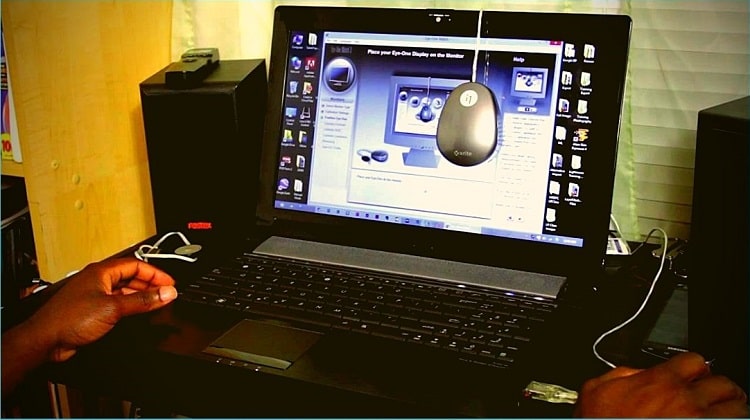
The core problem is that your monitor produces color using light — an additive RGB system — while your printer produces color using ink on paper, a subtractive process. These are two fundamentally different color models, and without a shared reference point, neither device knows how to speak the other's language. The result is prints that look too dark, too saturated, or just plain off compared to what was on your screen.
Solving this requires two things: a properly profiled monitor and a printer-paper ICC profile matched to your actual ink and media combination. Once both are configured and your print driver is set to let the profiles do their job, the results are noticeably more accurate. This guide walks you through the full process.
Contents
- When Prints and Screen Colors Don't Agree
- Calibration Methods at a Glance
- What You Need to Calibrate Printer to Match Monitor
- Who Gets the Most from Color Calibration
- Practical Tips for Consistent Color Output
- Hardware vs. Software Calibration: The Real Trade-offs
- Building a Color Management Workflow That Lasts
- Frequently Asked Questions
- Key Takeaways
When Prints and Screen Colors Don't Agree
The Most Common Causes
If your prints consistently look different from your monitor, the issue usually comes down to a handful of well-known culprits. The most frequent one is a monitor that has never been calibrated — meaning it's displaying colors inaccurately from the start, and your printer is faithfully reproducing an image that was wrong before it ever hit paper. Factory monitor settings often push brightness and saturation far higher than they should be for print work.
The second most common cause is a printer profile mismatch. When you print without specifying which ICC profile to use, or you let both the application and the printer driver manage color at the same time, you get double color correction and unpredictable results. Choosing the wrong paper profile is just as damaging as having no profile at all. An Epson profile built for luster paper will look wrong on matte, even from the same printer with the same ink.
Ink type also plays a meaningful role in how colors translate. Pigment inks tend to hold color more consistently across profiles, while dye inks can shift under different lighting conditions. Our detailed breakdown of dye ink vs. pigment ink covers how each system behaves and why pigment is typically preferred for archival photo printing.
Quick Diagnostic Checklist
Before buying any calibration hardware, run through this checklist first. Is your monitor brightness set to around 100–120 cd/m² rather than the factory default of 250 or higher? Are you using the correct ICC profile for your specific printer and paper combination? Is color management set in one place only — either the application or the printer driver, never both simultaneously? Is your room light neutral, around 5000K daylight, rather than warm tungsten or cool fluorescent? Fix any of these and you may find the problem disappears before you've spent anything.
Pro tip: Let your monitor warm up for at least 30 minutes before calibrating. Screens shift color temperature as the backlight heats up, and calibrating a cold screen gives you an inaccurate baseline that will drift by the time you're actually printing.
Calibration Methods at a Glance
Software-Only Calibration
Both Windows and macOS include built-in display calibration utilities. Windows offers the Display Color Calibration wizard under Display Settings, while macOS provides a similar tool in System Preferences under Displays. Both walk you through adjusting gamma, white point, and brightness by eye — no hardware required. The results are less precise than hardware calibration, but they're a real improvement over doing nothing, particularly if your monitor is badly out of spec from the factory. For free, the open-source DisplayCAL application goes further, offering more calibration targets and better reporting than the OS built-ins.
Hardware Colorimeter Calibration
A hardware colorimeter — such as the X-Rite i1Display Studio or the Datacolor Spyder X — measures actual light output from your screen and builds a precise ICC monitor profile without any guesswork. Pair that with a spectrophotometer to build custom printer-paper profiles, and you have a fully objective color management system. Hardware calibration is the gold standard for anyone who prints photos on a regular basis. The table below summarizes what each approach costs and delivers.
| Method | Cost | Accuracy | Time Required | Best For |
|---|---|---|---|---|
| Windows/macOS built-in wizard | Free | Low–Medium | 10–15 min | Casual users, basic correction |
| DisplayCAL (free software) | Free | Medium | 20–30 min | Budget-conscious enthusiasts |
| Hardware colorimeter only | $100–$200 | High | 15–20 min | Photographers, designers |
| Colorimeter + spectrophotometer | $200–$600+ | Very High | 30–60 min | Professional print studios |
| Manufacturer-supplied ICC profiles | Free | Medium–High | 5 min | Standard paper and ink combos |
For most home photo setups, the combination of a hardware colorimeter for the monitor and manufacturer-supplied ICC profiles for the printer hits a solid sweet spot between cost and quality. If you're shopping for a capable photo printer on a budget, our roundup of the best photo printers under $200 covers options that work well within managed color workflows.
What You Need to Calibrate Printer to Match Monitor
Monitor Calibration Gear
To calibrate your monitor properly, you need a colorimeter or spectrophotometer along with profiling software. The X-Rite i1Display Studio and the Datacolor Spyder X are two of the most widely used options at the consumer level, both bundled with step-by-step software. If you want more control without the cost, DisplayCAL is a free, open-source alternative that works with most hardware colorimeters and lets you set precise calibration targets.
For print work, calibrate to a white point of D65 (6500K) and a gamma of 2.2. Keep ambient light out of the room while the device reads your screen — even indirect light can skew the measurement. Once the profile is built, your operating system applies it automatically at startup, so the correction is always active.
Printer Profiling Tools
For the printer side, you have two main paths. The first is downloading ICC profiles directly from your printer manufacturer or paper manufacturer — these are free, reliable for the specific paper and ink they're built for, and available on company websites. Epson, Canon, and HP all publish profiles for their own papers, and third-party paper brands like Red River Paper provide profiles for major printer models.
The second option is building a custom profile using a spectrophotometer or a mail-in profiling service. Custom profiles account for your specific printer's current ink density, nozzle condition, and paper surface — making them more accurate than any generic download. For Mac users looking for a printer with strong out-of-the-box color management support, our best photo printer for Mac guide covers models that integrate well with ICC-based workflows.
Who Gets the Most from Color Calibration
Photographers and Fine Art Printers
If you're printing photos for sale, exhibition, or client delivery, calibration isn't optional — it's part of the job. A print that doesn't match what was approved on screen creates client friction and reprinting costs. The same logic applies to fine art reproduction, where subtle shifts in shadow tone or skin tone can change the character of an image entirely. Photographers who print regularly often recoup the cost of calibration hardware within a few months of avoided reprints.
For larger output sizes, accurate color becomes even more critical because errors are more visible and more expensive to correct. If you print at 8x10 or larger, our best 8x10 photo printer guide features models that pair well with ICC-managed color workflows and handle larger prints without sacrificing accuracy.
Casual and Home Users
For casual home printing — family photos, holiday cards, school projects — full hardware calibration may be more than you need right now. Getting your monitor brightness down to a reasonable level, selecting the correct paper type in your print driver, and using manufacturer ICC profiles will get you most of the way there without any equipment purchase. The key is consistency: use the same paper, the same settings, and the same viewing light every time you compare a print to your screen. That consistency matters more than perfect measurement when you're printing for personal use.
Warning: Never evaluate a freshly printed photo under incandescent light. The warm yellow cast will make your calibration look wrong when it isn't — use a daylight-balanced light source at around 5000K when comparing prints to your monitor.
Practical Tips for Consistent Color Output
Your Viewing Environment Matters
Color management doesn't stop at the monitor and printer — it extends to the room you're working in. Wall color, ambient light temperature, and window light all influence how you perceive color on screen. Professional photographers use gray or neutral walls and daylight-balanced lighting for good reason: a neutral environment gives your eyes the most accurate read. If your workspace has colorful walls, a monitor hood can help block peripheral color influence while you work on screen, and evaluating prints near a daylight-balanced lamp away from the walls will give you more reliable comparisons.
The ICC color management standard defines how devices communicate color through profiles, and understanding how monitor, printer, and working space profiles interact gives you a much clearer picture of why your environment compounds with your profiling decisions.
Paper and Profile Pairing
Every paper surface — glossy, matte, luster, fine art cotton — reflects light differently, which changes how the same ink reads visually. Using the correct ICC profile for your exact paper is one of the highest-impact adjustments you can make. Always print on the paper the profile was built for, and always select that paper's media type in the printer driver. Choosing "Premium Glossy" when printing on matte stock will change how the printer lays down ink and invalidate the profile entirely. Our guide on the best printers for glossy paper covers how paper surface interacts with color output in more practical detail.
Hardware vs. Software Calibration: The Real Trade-offs
What Hardware Gets Right
The biggest advantage of hardware calibration is objectivity. A colorimeter doesn't have tired eyes, and it doesn't have color biases built up from staring at a screen all day. It measures what your display is actually emitting, builds a correction curve, and writes it to an ICC profile that your OS applies automatically on every boot. Hardware devices also detect drift over time — monitors change as their backlights age, and without periodic recalibration, even a well-calibrated display can wander significantly from its baseline.
Repeatability is another clear advantage. Once you've profiled your monitor, that profile lives as a standard ICC file. You can transfer it across devices, restore it after a driver update, and share it with collaborators working on the same output. That kind of consistent reference point is hard to replicate with visual adjustment alone.
Where Software Holds Its Own
Software calibration — especially the free DisplayCAL application — closes most of the accuracy gap at a fraction of the hardware cost when paired with even an entry-level colorimeter. The OS built-in wizards are less precise but still meaningfully better than running uncalibrated. For users who print occasionally and aren't chasing gallery-grade accuracy, software-guided calibration satisfies most everyday needs.
Where software genuinely falls short is in building custom printer-paper ICC profiles. That task almost always requires a spectrophotometer capable of reading a printed test chart and converting those measurements into a usable profile. Without that step, you're relying on manufacturer profiles that may not perfectly match your printer's current condition. The choice of printer also matters — some models ship with better native color management than others, which varies significantly across the photo printer market.
Building a Color Management Workflow That Lasts
Setting a Calibration Schedule
Calibration is a recurring task, not a one-time setup. Most colorimeter manufacturers recommend recalibrating your monitor every two to four weeks for professional work, or at minimum once a month. Monitors drift as their backlights age — what was accurate four months ago may have shifted enough to affect your output noticeably. Treat recalibration like routine printer maintenance and put it on your calendar alongside tasks like cleaning print heads or checking ink levels.
Printers change over time too. A printer ICC profile built when the machine was new won't perfectly match its output a year later, especially after changing ink cartridges, switching paper brands, or running the printer heavily. Rebuilding your printer profiles periodically — or at least verifying them against a reference print you've saved — keeps the entire system honest.
Embedding Color Management in Your Process
The most reliable color workflows remove as many manual decisions as possible from each print job. That means assigning your working color space — typically Adobe RGB for print work, or sRGB for web — consistently in your editing software, embedding profiles in your saved files, and establishing a clear rule for color management: either the application handles it, or the printer driver does, never both at once.
In Photoshop or Lightroom, setting "Application Manages Colors" with the correct printer-paper ICC profile gives you the most control. In other applications, "Printer Manages Colors" with the manufacturer's recommended settings in the driver is a reliable default. Document your chosen settings somewhere you can refer back to, and keep a reference test print on hand so you have a physical benchmark to check against after any system change. Over time this kind of systematic approach makes calibration feel routine rather than a source of frustration.
Frequently Asked Questions
How often should I calibrate my monitor for print work?
For professional photo or print work, calibrate your monitor every two to four weeks. For casual home printing, once a month is generally sufficient. Monitors drift as their backlights age, and regular recalibration is the only reliable way to catch that drift before it shows up in your prints.
Can I calibrate my printer without a colorimeter?
Yes, to a degree. You can download free manufacturer-supplied ICC profiles for your printer and paper combination, and these work well for standard setups. Building a fully custom profile for your specific printer does require a spectrophotometer, but manufacturer profiles are a solid and free starting point for most users.
What is an ICC profile and why does it matter?
An ICC profile is a standardized file that describes how a specific device — a monitor, printer, or scanner — reproduces color. When your operating system and color-managed software use ICC profiles for both your monitor and printer, they can translate colors accurately between the two devices. Without profiles, each device makes its own interpretation and they rarely agree.
Does paper type affect color calibration accuracy?
Significantly. Glossy paper reflects more light and produces more saturated-looking colors; matte paper absorbs more ink and appears softer. Each surface needs its own ICC profile to be rendered accurately. Using a glossy paper profile when printing on matte — or the reverse — will produce noticeably off colors regardless of how well your monitor is calibrated.
Why do my prints always look darker than my monitor?
This is almost always caused by a monitor brightness set too high. Factory brightness is often configured around 250 cd/m² or more, while the recommended level for print-focused work is 80–120 cd/m². When your screen is substantially brighter than a printed page can ever appear, prints will always look dark by comparison. Lower your brightness and recalibrate before doing anything else.
Is color calibration worth the effort for occasional printing?
For occasional printing, full hardware calibration is likely more investment than you need right now. Start by lowering your monitor brightness, applying manufacturer ICC profiles, and selecting the correct paper type in your driver. Those three changes alone deliver a substantial improvement. If color still looks consistently off after that, hardware calibration becomes a logical next step.
Key Takeaways
- Calibrating your printer to match your monitor starts with ICC profiles for both devices — begin with a profiled monitor and manufacturer-supplied printer profiles before investing in hardware.
- Monitor brightness is the most overlooked variable: drop it to 80–120 cd/m² for print work rather than leaving it at the factory default of 250 or more.
- Always pair the correct ICC profile with the exact paper you're printing on — paper surface has a direct and significant impact on how colors are rendered in the final print.
- Treat calibration as an ongoing schedule, not a one-time task — recalibrate your monitor every two to four weeks and verify your printer profiles whenever you change ink or paper stock.



About Chris & Marry
Chris and Mary are a couple with a shared background in graphic design and print production who have spent years working with printers across creative and professional contexts — from art printing and photo output to label production and professional document work. Their combined experience evaluating printer performance, color accuracy, and paper handling across inkjet and laser platforms gives them a practical, hands-on perspective on what makes a printer worth buying. At ShopChrisAndMary, they cover printer reviews, buying guides, and recommendations for artists, photographers, and professional users.
Time to get FREE Gifts. Or latest Free printers here.
Disable Ad block to reveal all the info. Once done, hit a button below