Last winter, a friend needed 50 custom postcards for a holiday mailing and assumed she'd have to order them from a print shop. Twenty minutes later, she had a finished stack that looked genuinely professional — printed right from her home inkjet. Learning how to print postcards at home is more accessible than most people expect, and it gives you complete control over design, timing, and cost. If you're shopping for a printer that handles specialty media well, start by browsing our photo printer reviews to find the right fit for your setup.
How To Print Postcards
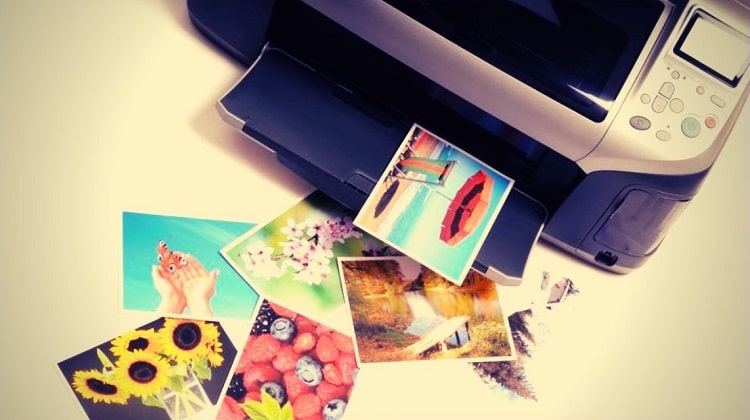
Postcards come in handy for birthdays, business promotions, travel announcements, and creative art projects. The standard postcard size in the US is 4×6 inches, though 5×7 and 6×9 are also widely used. Once you understand the core steps — choosing the right paper, setting up your design file correctly, and configuring your printer settings — you'll be producing quality postcards consistently every time.
This guide walks you through everything: what the common mistakes are, which tools you actually need, how real-world projects come together, and how to take your results from basic to polished. Whether you're printing your very first postcard or you've been doing it for a while and want to sharpen your technique, there's something useful here for every skill level.
Contents
What Most People Get Wrong About Printing Postcards
There's plenty of outdated advice floating around about home postcard printing. Before you spend money on equipment or outside services you don't need, it helps to clear up the most common misconceptions first.
You Don't Need a Professional Printer
Most people assume that printing postcards requires a dedicated commercial press or a specialty machine. That's simply not true for the majority of use cases. A mid-range inkjet or laser printer handles standard postcard projects without any trouble. Here's what the reality looks like:
- Inkjet printers produce vibrant, photo-quality color — ideal for image-heavy postcard designs where visual impact matters most.
- Laser printers deliver sharp text and fast output — better for text-focused or high-volume runs where speed and consistency count.
- Commercial print services only make practical sense when you're printing thousands of copies or need specialty finishes like foil stamping, embossing, or UV coating.
- Many home printers now support dedicated 4×6 and 5×7 media trays, making postcard printing a built-in feature rather than a workaround.
Pro tip: Always run a test print on plain paper before committing your card stock — it costs nothing and lets you catch alignment or scaling issues before wasting your good materials.
Paper Choice Actually Matters
Another common mistake is reaching for regular copy paper and hoping it holds up. Standard 20 lb copy paper is too thin and flimsy for a postcard meant to survive handling, mailing, and reading. Here's what you actually need to know:
- Postcards mailed through USPS must meet a minimum thickness requirement — at least 0.007 inches — to qualify for postcard postage rates.
- Card stock rated at 65–110 lb cover weight hits the right balance between rigidity, printability, and mailability.
- Glossy or semi-gloss coated stock enhances color saturation and gives postcards a polished, professional look — but your printer must be able to handle coated media.
- Matte card stock is easier to write on and address by hand, which matters if recipients will add their own notes.
- Pre-scored 8.5×11 postcard sheets let you print two 4×6 cards per sheet, then fold and separate them — a cost-efficient option for small batches.
The Right Tools and Materials for Home Postcard Printing
Getting consistent results means having the right setup. You don't need expensive gear, but you do need to make deliberate choices about your printer, paper type, and design software before you start printing.
Choosing Your Printer
Not all printers handle thick media equally well. When you're printing postcards, pay close attention to the paper path. Some printers feed card stock through tight rollers that can jam or warp thicker sheets, especially on curved-path designs. A rear straight-paper-path tray is your best friend for heavyweight media.
| Printer Type | Best For | Max Card Stock | Est. Cost Per Page |
|---|---|---|---|
| Inkjet (home) | Photo-heavy designs, small batches | Up to 90 lb cover | $0.05–$0.15 |
| Inkjet (photo/pro) | High-res imagery, color accuracy | Up to 110 lb cover | $0.10–$0.25 |
| Laser (home) | Text-heavy, fast volume runs | Up to 80 lb cover | $0.02–$0.06 |
| Commercial print service | Large runs, specialty finishes | No practical limit | $0.08–$0.50+ |
For most home users, a standard inkjet with a straight rear paper path is the most versatile and affordable choice. Always check your printer's manual for the maximum supported media weight before purchasing card stock — exceeding that limit risks damaging the feed rollers.
If you're printing on coated or glossy stock, read our guide on how to print on glossy paper — it covers ink density settings, drying time, and how to prevent smearing on coated surfaces.
Paper and Card Stock Options
Your paper choice affects not just the final look but also how consistently your printer feeds and handles each sheet. Here are the most practical options for postcard printing:
- 65 lb cover card stock — affordable, widely available, feeds cleanly through most home inkjet printers
- 80 lb cover card stock — slightly more rigid, works well in both inkjet and laser printers
- 110 lb cover card stock — premium feel, ideal for high-end photo prints, requires a straight paper path
- Pre-scored postcard sheets — printable 8.5×11 sheets with two 4×6 postcards; separate after printing for an easy two-up workflow
- Pre-cut 4×6 card stock — feeds directly through photo paper trays, the simplest and most foolproof setup for beginners
For a closer look at printing on thick media with HP printers specifically, see our detailed guide on how to print on card stock with HP printers — it covers tray settings, media type selection, and common feed problems.
Warning: Never feed card stock heavier than your printer's stated maximum — forcing it through the mechanism can damage the feed rollers and void your warranty.
Postcard Projects That Actually Work
The best way to understand how to print postcards well is to look at real use cases. Different projects have different priorities — some need vivid color reproduction, others need clean text legibility, and some need to survive the postal journey intact.
Personal and Seasonal Cards
Personal postcards are the most forgiving category to start with. You control the design, quantity is usually small, and there are no strict branding requirements. Here are formats that work particularly well:
- Holiday cards — Use photo-grade card stock and inkjet printing for the richest color. Design at 300 DPI minimum to avoid pixelation.
- Travel postcards — Print a personal photo on the front and leave the back for a handwritten message. Semi-gloss stock delivers excellent image quality for this format.
- Announcements — Birth announcements, graduation cards, and party invitations all work beautifully as postcards. Matte card stock makes the address side easy to write or print on.
- Art prints — Postcard-sized prints are a natural extension of fine art printing. Use your printer's photo or art mode for the best color rendering and tonal range.
For most personal projects, you'll design in Canva, Adobe Express, or a similar tool, then export as a high-resolution PDF or JPEG before printing.
Business and Promotional Postcards
Business postcards have tighter requirements. You need consistent color, clean trimmed edges, and enough rigidity that the card looks professional whether handed out at an event or dropped in the mail.
- Use a bleed margin of at least 0.125 inches on all sides so trimming doesn't cut into your design elements.
- Keep all text and logos at least 0.25 inches from any edge to protect against trim variation.
- Always print a sample batch of 5–10 before committing to a full run — color can shift between screen and print.
- Consider printing 2-up on 8.5×11 sheets and guillotine trimming to reduce per-unit cost on medium runs.
- For runs over 500, a local print shop or online service typically beats home printing on cost per piece, especially when factoring in ink and card stock.
From First Print to Professional-Grade Results
There's a real gap between someone printing their first postcard and someone producing consistently polished, mailworthy results. The good news is that gap is mostly about a few key habits — not expensive upgrades to your equipment.
Getting Started
If you're new to printing postcards, keep the process simple. Follow these steps in order to get your first clean, accurate print:
- Set your document size to exactly 4×6 inches (or 5×7 or 6×9, depending on your chosen format) in your design software before you start building the layout.
- Export your finished design at 300 DPI minimum — anything lower risks visibly pixelated output when the file is printed at full size.
- Load your card stock in the appropriate tray — most printers designate a rear slot or separate photo tray for thick media.
- Open your printer's settings and select the correct media type (options like "Card Stock," "Heavy Paper," or "Photo Paper" typically adjust pressure and ink application).
- Set the paper size in the print dialog to match your card exactly — never let the printer scale your design down to fit a letter-size sheet.
- Print a single test copy first and check alignment, color, and that the card fed cleanly without catching or warping.
- Once everything checks out, print your full batch.
That's the core process for how to print postcards at home. Most beginner problems stem from skipping the media type setting or not matching the document size to the physical card size in the print dialog.
Leveling Up Your Technique
Once you're comfortable with the fundamentals, a handful of upgrades make a meaningful difference in your output quality:
- Color calibration — Use your printer's color management tools or a hardware calibrator (like a Datacolor Spyder) to ensure what you see on screen matches what prints accurately on paper.
- ICC profiles — Download the ICC color profile for your specific paper from the manufacturer's website and load it into Photoshop or Lightroom for more precise color rendering.
- Double-sided printing — Print the image side first, let it dry fully (at least 5 minutes for inkjet ink), then flip and print the address and message side. Mark the card orientation with a light pencil mark before flipping to avoid misprints.
- Batch templates — Set up a document with two or four postcards per sheet to reduce paper waste and streamline your printing workflow for larger runs.
- Trim marks — Add crop marks to your design file when printing sheets you'll cut down manually. It makes trimming significantly cleaner and more consistent, especially across larger batches.
Frequently Asked Questions
What size should I use when printing postcards?
The standard postcard size in the US is 4×6 inches, which is the minimum size accepted by USPS for first-class postcard postage. You can also use 5×7 or 6×9 inches — both are machinable sizes that mail at standard rates. Set your document to the exact finished size in your design software and export at 300 DPI for clean output.
Can I print postcards on a regular inkjet printer?
Yes — most standard home inkjet printers handle postcard printing well, provided you use appropriately weighted card stock (65–110 lb cover) and select the correct media type in your printer settings. Check your printer's manual for its maximum supported paper weight before loading thick stock to avoid feed jams or roller damage.
Do I need to add a bleed margin to my postcard design?
If your design has color or imagery that extends to the card's edge, add at least a 0.125-inch bleed on all sides. This ensures that when the card is trimmed, there's no white paper border visible at the edges. If your design intentionally includes a white border, you can skip the bleed.
What's the best paper for postcards you plan to mail?
For postcards you intend to mail through USPS, use at least 65 lb cover card stock. Postal regulations require a minimum thickness of 0.007 inches. Both semi-gloss and matte coated stocks work well for mailing. Avoid plain copy paper or lightweight uncoated stock — it's too thin to survive postal processing reliably.
Next Steps
- Check your printer manual for the maximum supported media weight and confirm it can handle at least 65 lb cover card stock before purchasing any supplies.
- Open your design tool of choice — Canva, Adobe Express, or Photoshop — and create a new document at exactly 4×6 inches, 300 DPI, to start building your first postcard layout.
- Pick up a small sample pack of both 65 lb and 80 lb cover card stock to test which weight feeds cleanly and produces the finish you want on your specific printer.
- Print a single test copy on plain paper, verify alignment and sizing, then print on card stock once everything looks correct — before committing to a full batch.
- If you're mailing your postcards, verify your card dimensions and thickness meet current USPS postcard requirements before you print your full run.



About Chris & Marry
Chris and Mary are a couple with a shared background in graphic design and print production who have spent years working with printers across creative and professional contexts — from art printing and photo output to label production and professional document work. Their combined experience evaluating printer performance, color accuracy, and paper handling across inkjet and laser platforms gives them a practical, hands-on perspective on what makes a printer worth buying. At ShopChrisAndMary, they cover printer reviews, buying guides, and recommendations for artists, photographers, and professional users.
Time to get FREE Gifts. Or latest Free printers here.
Disable Ad block to reveal all the info. Once done, hit a button below