You can remove printer ink from paper using isopropyl alcohol, acetone, fine-grit abrasives, or commercial ink removers, though your results will depend almost entirely on the ink type and paper surface you're working with. Knowing how to remove printer ink from paper the right way means matching your method to your specific combination of ink chemistry and substrate — not just reaching for the nearest chemical. For a broader look at paper handling and print correction strategies, the printing tips section covers everything from media selection to output troubleshooting.
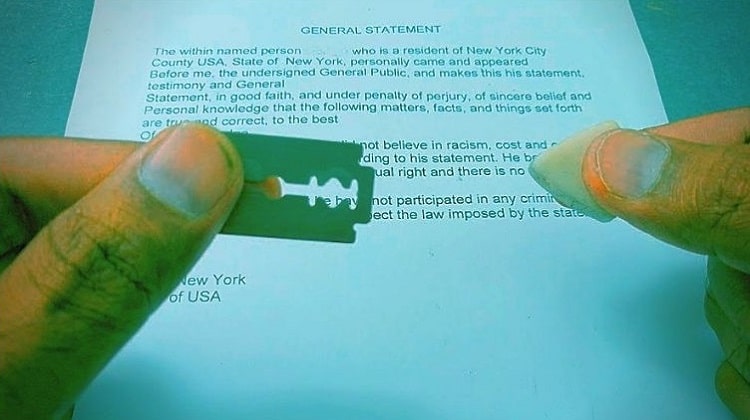
Laser toner and inkjet dye are fundamentally different materials, and that difference determines which approach has any chance of working before you waste time on methods that were never going to succeed. Laser printers fuse powdered toner to paper through heat, creating a thermally bonded plastic layer, while inkjet ink is a water-based dye or pigment that soaks directly into the paper fibers. Treating them identically is one of the most reliable ways to damage a document while making almost no progress on the ink itself.
The available options range from simple household supplies like rubbing alcohol and pencil erasers all the way to precision commercial removers designed for document correction, and the right choice depends on how much ink you need to remove and how much paper integrity you can afford to sacrifice. Testing any method on a corner or inconspicuous section of the sheet first is always worth the extra thirty seconds before you commit to the main area.
Contents
Proven Methods for Removing Printer Ink from Paper
Inkjet vs. Laser: What You're Actually Dealing With
Before you reach for any removal tool, identifying your printer type will save you from applying the wrong chemistry to a problem it can't solve. Inkjet ink soaks into paper fibers as a water-based dye or pigment, making it more responsive to alcohol-based solvents, while laser toner bonds to the surface as a heat-fused plastic powder that resists most liquid-based approaches entirely. According to Wikipedia's overview of inkjet printing, ink absorption depth varies considerably depending on whether the paper has a porous or coated surface, which directly affects how thoroughly any removal attempt can work. Getting this identification right upfront is the single most important step in the entire process.
Comparison of Removal Methods
The table below gives you a practical starting point for matching the right approach to your situation before you risk damaging a document you actually need.
| Method | Best Ink Type | Effectiveness | Paper Damage Risk | Approx. Cost |
|---|---|---|---|---|
| Isopropyl alcohol (90%+) | Inkjet dye | Medium–High | Low–Medium | Under $5 |
| Acetone (nail polish remover) | Laser toner, heavy inkjet | High | Medium–High | Under $5 |
| Fine-grit eraser or sandpaper | Light inkjet marks | Low–Medium | Medium | Under $3 |
| Commercial ink remover | Both types | High | Low (when used correctly) | $8–$20 |
| Diluted bleach solution | Dark inkjet stains | Medium | High | Under $2 |
| Correction fluid | Any (covers, doesn't remove) | High (cosmetically) | None | $2–$5 |
When Ink Removal Makes Sense — and When It Doesn't
Situations and Paper Types Worth Attempting
The scenarios most likely to produce a usable result involve plain uncoated bond paper with fresh inkjet dye, because uncoated surfaces give solvents the best opportunity to reach the ink and lift it without stripping the paper's structural fiber layer in the process. You're also in a reasonable position when the print is relatively recent, since dried inks bond more aggressively over time and become progressively harder to separate from paper fibers with each passing day. Crafters working with specialty papers often notice that coated surfaces behave differently from bond — if you've ever dealt with the ink adhesion challenges involved in printing on glossy paper, you'll recognize that the coating layer changes how deeply ink penetrates and, consequently, how amenable it is to removal later.
When You Should Accept the Loss
Certain paper types will be destroyed by any solvent strong enough to affect the ink, and recognizing those upfront prevents you from turning a simple misprint into a damaged and unusable sheet. Thermal paper, tracing paper, and extremely thin stock are almost always casualties of chemical removal attempts, since the fibers degrade under solvent exposure far faster than the ink lifts. Photo paper with a resin or glossy finish presents its own challenge, because the same chemical that loosens the ink will cloud or dissolve the coating in the same pass, leaving you with a sheet that looks worse than the original mistake. If the document contains official signatures, notarization, or security printing, chemical treatment could render it legally void regardless of how clean the result looks, so weigh that consequence carefully before you start.
Techniques That Actually Deliver Results
Solvent-Based Approaches
Isopropyl alcohol at 90% concentration or higher is your most practical starting point for inkjet removal on standard bond paper, applied sparingly with a cotton swab or folded microfiber cloth using a blotting motion rather than a sideways scrubbing action. The objective is to dissolve the ink and pull it into the applicator, not spread it across a wider section of the page, which means refreshing your swab as soon as it becomes saturated with lifted ink rather than continuing with a dirty surface. Acetone works with considerably more chemical force and is better suited to laser toner or dense pigment-based inkjet ink, but it will cloud any glossy coating on the paper and can weaken fiber integrity with extended contact, so treat it as a last resort on anything except plain bond. Always work in a ventilated area with acetone and keep contact time as short as possible to reduce collateral damage to the paper itself.
Abrasive and Mechanical Methods
Fine-grit abrasives — sandpaper in the 400-to-600 grit range, a quality vinyl eraser, or a dedicated ink-erasing pen — work by physically removing the top layer of paper fibers along with the ink bonded to them, which means you're deliberately trading some paper thickness for a cleaner surface. This works reasonably well on lightly printed inkjet text where the ink hasn't penetrated deeply into the fiber structure, but the treated area will be thinner and slightly rougher than the surrounding paper afterward. If you plan to reprint over the cleaned area, keep in mind that altered surface texture causes uneven ink absorption on a second pass — a concern that parallels the surface consistency challenges involved in working with specialty stocks like printing on cardstock with HP printers, where substrate uniformity directly affects output quality.
Mistakes That Make the Problem Worse
Over-Saturating the Paper
The most frequent error in ink removal is applying far too much liquid at once, which causes the paper to warp and buckle while spreading the dissolved ink outward into a larger stain rather than lifting it cleanly away. A lightly dampened swab is always more effective than a soaked cloth, because a small controlled amount of solvent limits the radius of impact and keeps the dissolved ink concentrated in the applicator rather than migrating across the page. The correct technique is to blot upward with light pressure, lift the swab completely, and then reapply with a fresh section before continuing — never dragging, rubbing, or grinding in a back-and-forth motion that spreads ink and accelerates fiber breakdown simultaneously.
Mismatching the Method to the Ink Type
Attempting to remove laser toner with rubbing alcohol is one of the most common and costly mismatches, because alcohol has virtually no chemical effect on heat-fused plastic toner particles, and the repeated frustrated rubbing that follows this realization damages the paper surface in ways that no subsequent treatment can reverse. Using acetone on lightweight paper, thermal receipts, or any treated specialty stock tends to dissolve the paper substrate just as quickly as the ink, leaving a translucent or structurally compromised patch. Identifying your ink type first and matching it to the appropriate removal chemistry is not optional — it's the foundational step that determines whether your effort produces a cleaner sheet or an irretrievably ruined one.
What You'll Spend on Tools and Supplies
Low-Cost Household Options
The most budget-conscious approach draws entirely from supplies you likely already have — a bottle of isopropyl alcohol, a pack of cotton swabs, and a clean microfiber cloth are sufficient for most standard inkjet correction jobs on plain paper, with a total cost near zero if these items are already in your home. Isopropyl alcohol at 90% or higher is the single most versatile and affordable ink removal tool available, sold at pharmacies and hardware stores for under five dollars per bottle, and one bottle handles dozens of removal sessions before running dry. Adding a quality vinyl eraser or a pencil-style ink eraser pen costs another dollar or two and handles light surface marks entirely without liquid, expanding your toolkit's range without meaningfully increasing your investment.
Specialty Products and When They're Worth It
Commercial ink removers designed specifically for paper — such as those used for stamp pad correction or professional document editing — typically run between eight and twenty dollars per unit and offer a level of precision and paper-safety that household solvents can't replicate, particularly for delicate or higher-value stock. These products usually include fine-tipped applicators that let you target individual characters or narrow print areas without spreading solvent across a larger section of the page, which makes a practical difference when correcting a small portion of an otherwise important document. The investment is justified when you're working with specialty papers regularly, when documents need to remain in professional condition after correction, or when you expect to perform ink removal often enough that a precision tool earns back its cost over multiple uses.
Simple Fixes vs. Precision Removal
Where to Start If You're New to This
If you're approaching ink removal for the first time, a standard vinyl eraser applied to a small test area of the sheet is the safest entry point, because it involves no chemicals, produces no fumes, and gives you instant visual feedback on whether the approach is working before you escalate to anything more aggressive. Moving from there to a lightly dampened cotton swab with 90% isopropyl alcohol covers the majority of everyday inkjet correction needs without putting the paper at significant risk. Starting with the gentlest method and escalating only when needed is the principle that separates clean corrections from costly damage, and it applies whether you're fixing a single misprinted label or correcting a small batch of documents before they go to a final audience.
Higher-Precision Techniques for Stubborn Ink
More experienced users working with resistant inks or valuable paper stock often combine methods in sequence — beginning with an alcohol treatment to soften the ink, following with a careful abrasive pass to lift the loosened particles, and finishing with a light application of correction fluid to restore surface uniformity before any reprinting takes place. This multi-step approach demands patience and a steady hand, but it can produce results that are nearly indistinguishable from a clean sheet when performed carefully on quality bond paper. For anyone who regularly handles specialty printing projects, building a small dedicated correction kit with tools at multiple levels of aggression — from eraser to solvent to precision chemical remover — prevents the improvised decisions that typically cause the worst outcomes when a quick fix is needed under pressure.
Frequently Asked Questions
Can you completely remove printer ink from paper?
Complete removal is possible in some cases, particularly with fresh inkjet dye on plain uncoated bond paper, but it depends heavily on the paper type, ink formulation, and how long the print has been sitting. Most removal methods will significantly lighten or fade the ink rather than eliminate every trace, and some residual ghost image is common even after thorough treatment with solvents or abrasives.
Does acetone work on laser printer toner?
Acetone can partially soften and lift laser toner because it attacks the plastic binders in the thermally fused particles, making it more effective on laser prints than isopropyl alcohol. However, full removal is difficult to achieve, and the paper surface will often show chemical damage from extended acetone exposure, so contact time should be kept as short as possible.
Will rubbing alcohol damage the paper?
Isopropyl alcohol at 90% concentration causes minimal paper damage when applied sparingly with a blotting motion, but over-saturation leads to warping, fiber softening, and a weakened surface that absorbs ink unevenly on any subsequent print pass. Using high-concentration alcohol and limiting the amount applied keeps damage to a manageable level in most cases.
Can you remove ink from glossy photo paper?
Removing ink from glossy photo paper is generally not recommended because the solvents capable of affecting the ink will also cloud, streak, or dissolve the glossy coating at the same time, leaving visible surface damage alongside the partially removed print. The ink on photo paper typically sits within or just below the coating layer, making clean removal without cosmetic impact nearly impossible.
Is it possible to reuse paper after removing ink?
Reprinting on paper that has had ink removed is possible, but the treated area will have altered surface properties — slightly rougher texture from abrasion or softened fibers from solvent exposure — that can cause uneven ink adhesion on a second print pass. Testing with a draft-quality print before committing to a final document is the best way to assess whether the sheet is still usable.
What's the safest method for removing ink from important documents?
For documents where paper integrity and professional appearance matter most, a commercial ink remover with a fine-tipped precision applicator is the safest available approach, since these products are formulated specifically to minimize paper damage while lifting ink. Avoid household solvents on anything you can't afford to lose, and always test on a corner or non-critical area before treating the primary text.
The right removal method isn't the most powerful one — it's the one that gets the ink out while leaving the paper worth keeping.



About Chris & Marry
Chris and Mary are a couple with a shared background in graphic design and print production who have spent years working with printers across creative and professional contexts — from art printing and photo output to label production and professional document work. Their combined experience evaluating printer performance, color accuracy, and paper handling across inkjet and laser platforms gives them a practical, hands-on perspective on what makes a printer worth buying. At ShopChrisAndMary, they cover printer reviews, buying guides, and recommendations for artists, photographers, and professional users.
Time to get FREE Gifts. Or latest Free printers here.
Disable Ad block to reveal all the info. Once done, hit a button below