Have you ever wished you could share one printer between two computers without the hassle of unplugging and re-plugging cables every time? You can — and learning how to connect two computers to one printer doesn't require a tech degree or expensive equipment. There are several methods available, and the right one depends on your setup, your budget, and how often both machines need to print. This guide covers everything from the simplest plug-and-play options to smarter long-term approaches, so you can pick what actually works for your situation.
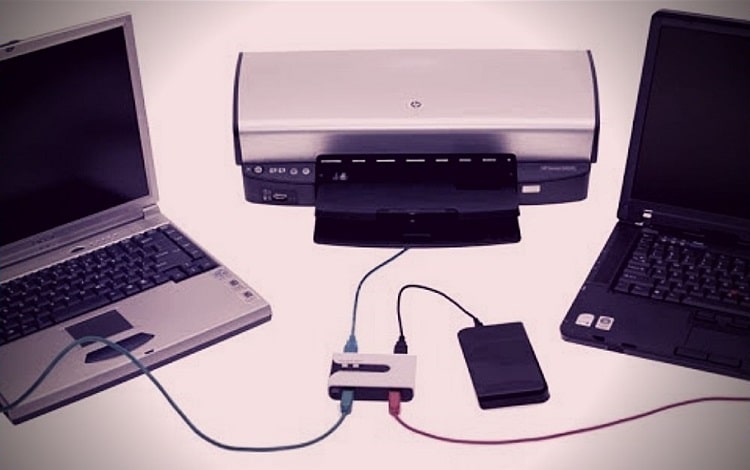
USB printers are everywhere. They're affordable, reliable, and produce excellent output — but by design, a USB cable connects one device at a time. That limitation has led a lot of people to believe sharing is impossible without buying a second printer. It isn't. You have at least three practical approaches, and each one has real tradeoffs worth understanding before you commit. For more general printing guidance, browse our printing tips category for additional how-tos.
Before diving in, it helps to know what "sharing" actually means here. It can mean physically switching the USB connection, using software to route print jobs, or networking the printer so both computers see it wirelessly. Each approach works — they just suit different workflows. Read on and you'll know exactly which one fits yours.
Contents
- The Fastest Ways to Connect Two Computers to One Printer
- Smart Setup Habits When You Share a Printer
- Troubleshooting Tricks That Actually Work
- Simple Options vs. Advanced Solutions for Sharing a Printer
- Keeping Your Shared Printer Running Long-Term
- What It Really Costs to Share a Printer
- Frequently Asked Questions
- Key Takeaways
The Fastest Ways to Connect Two Computers to One Printer
When you need a quick solution — one that doesn't require digging into network settings or buying hardware — you actually have two solid options that most people overlook.
USB Printer Switch (Manual)
A USB printer switch (a small box that physically routes one USB device between two host computers) is the most straightforward hardware fix. You plug both computers into the switch, then plug the printer into the switch's output port. A button press — or sometimes a software command — toggles which computer owns the connection. No drivers, no network configuration, no latency. It just works.
These devices typically cost between $15 and $40 and are widely available online. They're especially handy in home offices where both computers sit on the same desk. The downside is that only one person can print at a time, and whoever doesn't "own" the switch at that moment will have their job queued until the switch is toggled back.
Built-In OS Printer Sharing
Both Windows and macOS include built-in printer sharing features. You connect the printer via USB to one "host" computer, enable sharing in the system settings, and then add it as a network printer on the second machine — even if both computers are on the same Wi-Fi. According to Wikipedia, printer sharing over a local network has been a standard OS feature since the early networking era, and modern implementations are genuinely easy to set up. The catch: the host computer must be on and awake for the second machine to print.
Smart Setup Habits When You Share a Printer
Getting the physical connection right is only half the job. The way you configure both machines makes a big difference in how smoothly printing goes day to day.
Driver Installation on Both Machines
If you're using the OS sharing method, both computers need the correct printer driver installed — even the one that isn't physically connected. The host machine needs it to communicate with the hardware. The second machine needs it to format print jobs correctly before sending them across the network. Visit the manufacturer's website and download the full driver package for your printer model for each operating system in use. Don't rely on generic drivers if you want consistent output quality, especially for photo printing.
Setting the Default Printer
On each computer, go into your print settings and set the shared printer as the default. This prevents the frustrating experience of sending a document to the wrong printer — or worse, printing twenty copies because the job silently failed and you kept clicking "Print" without realizing it. On Windows, go to Settings > Bluetooth & devices > Printers & scanners. On macOS, go to System Settings > Printers & Scanners. Both let you set a default in just a few clicks.
Pro tip: If the second computer frequently loses connection to the shared printer, disable the "Let Windows manage my default printer" toggle — it can switch your default unexpectedly when you connect to different networks.
Troubleshooting Tricks That Actually Work
Even a well-configured shared printer will occasionally misbehave. Knowing a few targeted fixes saves a lot of frustration.
Common Errors and Quick Fixes
The most frequent issue people run into is the second computer showing the printer as "offline" even when it's clearly on and connected. Nine times out of ten, this is a driver mismatch or a stale IP address. Start by removing the printer from the second machine entirely, then re-add it using the current host computer's network name or IP address. That alone resolves the majority of offline errors without any deeper troubleshooting.
Another common culprit is a firewall blocking the print share. On Windows, make sure "File and Printer Sharing" is allowed through Windows Defender Firewall — there's a dedicated toggle for it in the firewall's "Allow an app" menu. Third-party security suites can block it too, so check those settings if the Windows firewall looks fine.
Clearing a Stuck Print Queue
A stuck print queue can make the printer appear unresponsive from both machines. On Windows, open Services, stop the "Print Spooler" service, navigate to C:\Windows\System32\spool\PRINTERS, delete all files inside (not the folder itself), then restart the spooler. On macOS, open the printer's queue window and delete any stuck jobs manually. This clears the backlog without requiring a restart.
Simple Options vs. Advanced Solutions for Sharing a Printer
Not everyone needs the same level of setup. Where you fall on the beginner-to-advanced spectrum should guide which method you choose.
The Beginner Path
If you're not comfortable digging into network settings, a USB switch is your best friend. It requires zero software configuration, works with any USB printer, and doesn't depend on either computer being online. You physically control who prints. That simplicity is worth the minor inconvenience of pressing a button. If you're also in the market for a new printer to pair with your setup, check out our guide to the best printers for laptops — many of those models are especially easy to configure for shared use.
The Advanced Path
If you're comfortable with networking, consider a print server (a small dedicated device that connects your USB printer to your router). This gives both computers independent access without requiring a host machine to be on. Some routers even have a built-in USB port that doubles as a print server — check your router's admin panel. This is the cleanest long-term solution for a busy two-person office.
Keeping Your Shared Printer Running Long-Term
Once you've got sharing working, a few ongoing habits will keep it working reliably for years.
Maintenance Habits That Prevent Headaches
Run a nozzle check (on inkjet printers) or a test print (on laser models) at least once a month if the printer sits idle for long stretches. Inkjet heads can clog when they dry out, which leads to streaky output that frustrates both users. Keeping the printer in a consistent warm environment — not near an air vent or window — also helps ink flow smoothly. For tips on getting the most accurate output, our guide on how to calibrate your printer to match your monitor is a good next read.
Keeping Firmware and Drivers Updated
Printer manufacturers release firmware updates that fix connectivity bugs and improve compatibility with newer operating systems. Check the support page for your printer model every few months and apply updates when they're available. Do the same for drivers on both computers — especially after a major OS update, which can silently break printer communication in ways that look like hardware failure but are actually just a driver version mismatch.
What It Really Costs to Share a Printer
Sharing a printer is one of the more budget-friendly tech decisions you can make, but the costs vary depending on which method you choose.
Cost Comparison by Method
| Method | Upfront Cost | Ongoing Cost | Tech Skill Required | Host PC Needed? |
|---|---|---|---|---|
| Manual USB Switch | $15–$40 | None | Low | No |
| OS Printer Sharing | $0 | None | Low–Medium | Yes |
| Print Server (dedicated) | $30–$80 | None | Medium | No |
| Router USB Print Server | $0 (if router supports it) | None | Medium | No |
| Replace with Network Printer | $80–$300+ | Ink/toner | Low | No |
Hidden Costs to Watch For
The biggest hidden cost isn't hardware — it's time. If you choose OS sharing and the host computer is frequently asleep or off, the second user loses print access. That friction adds up. Factor in whether you need truly independent access before committing to the free software route. A $30 print server that eliminates that dependency is often worth every cent. Also consider cable quality: cheap USB cables can cause intermittent connection drops that are maddeningly hard to diagnose. A shielded USB cable rated for active data transfer is a small investment that prevents a lot of silent failures.
Frequently Asked Questions
Can any USB printer be shared between two computers?
Most USB printers can be shared using either a USB switch or OS printer sharing, as long as the correct drivers are installed on both machines. A small number of older printers use proprietary communication protocols that block network sharing, but manual USB switches bypass that limitation entirely since they work at the hardware level.
Does the host computer have to be on for the second computer to print?
Yes — if you're using Windows or macOS built-in printer sharing, the host computer (the one physically connected to the printer) must be powered on and not asleep for the second computer to send jobs. If that's inconvenient, a dedicated print server or USB switch removes that dependency.
What is a USB printer switch and how does it work?
A USB printer switch is a small hardware device with two input ports (one per computer) and one output port connected to the printer. When you press the button or send a switch command from software, it physically redirects the USB signal from one computer to the other. No networking or driver changes are needed — the printer simply thinks it's connected to whichever computer currently "owns" the switch.
Is it better to use a network printer instead of sharing via USB?
If both computers print frequently and independently, a Wi-Fi or Ethernet-enabled printer is generally the more convenient long-term solution since each computer connects directly without relying on a third device or host machine. However, if you already own a USB-only printer, the methods in this guide let you share it effectively without buying new hardware.
Key Takeaways
- A USB printer switch is the simplest and most reliable way to connect two computers to one printer without any software configuration.
- Built-in OS printer sharing is free and works well, but the host computer must stay powered on for the second machine to print.
- A dedicated print server eliminates the host-machine dependency and gives both computers truly independent access for $30–$80.
- Keeping drivers updated on both machines and running occasional maintenance prints prevents the majority of sharing problems before they start.



About Chris & Marry
Chris and Mary are a couple with a shared background in graphic design and print production who have spent years working with printers across creative and professional contexts — from art printing and photo output to label production and professional document work. Their combined experience evaluating printer performance, color accuracy, and paper handling across inkjet and laser platforms gives them a practical, hands-on perspective on what makes a printer worth buying. At ShopChrisAndMary, they cover printer reviews, buying guides, and recommendations for artists, photographers, and professional users.
Time to get FREE Gifts. Or latest Free printers here.
Disable Ad block to reveal all the info. Once done, hit a button below