Have you ever spent hours designing a document or photo book, only to realize you had no idea which method would hold it together professionally? Understanding the types of binding for printing is the difference between a finished product that impresses every reader and one that falls apart before it reaches its audience. From saddle stitching on slim brochures to case binding on archival hardcovers, each method serves a distinct purpose, and selecting the right one transforms how your printed work is received. If you produce high-quality print projects regularly, the resources at printer for professionals give you the equipment context to match your binding decisions with confidence.
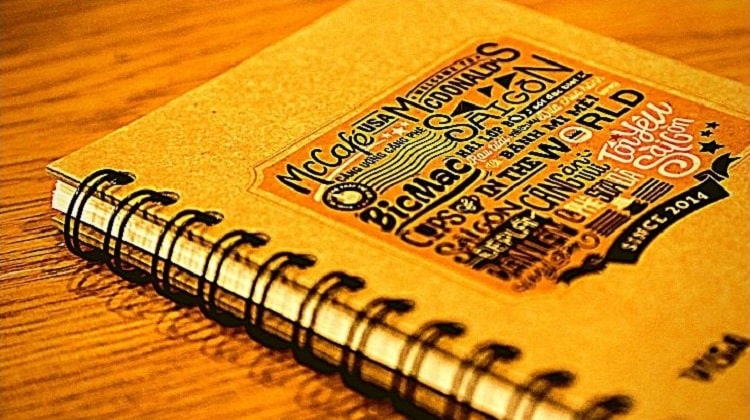
Binding is not a one-size-fits-all decision. The document type, page count, paper stock, and intended audience all influence which method delivers the best result. A professional corporate presentation demands a different approach than a handmade photo album or a spiral-bound training manual, and once you understand the core options, you can make that call confidently every time.
This guide breaks down every major binding method, corrects the most common misunderstandings, and helps you match your project to the right technique so your next print job lands exactly as intended.
Contents
- The Foundation: What Binding Actually Does for Printed Work
- Common Misconceptions About Types of Binding for Printing
- Matching Binding Types to Real-World Printing Projects
- Starting Simple and Scaling Up Your Binding Skills
- Honest Trade-offs for Every Major Binding Method
- Frequently Asked Questions
- Key Takeaways
The Foundation: What Binding Actually Does for Printed Work
Why Binding Matters Beyond Aesthetics
Binding does far more than keep pages together. It communicates professionalism, determines how easily a document opens flat, affects how long it survives heavy daily use, and shapes the reader's first impression the moment they pick it up. A report that lies flat and opens smoothly signals a different level of care than one held together with a binder clip, and that difference registers immediately with any professional audience. According to Wikipedia's overview of bookbinding, the craft has evolved over centuries precisely because the physical form of a document influences how its content is valued and preserved.
The Building Blocks of Every Binding Method
Every binding method relies on three fundamentals: a fastening mechanism such as adhesive, wire, thread, or a mechanical element; a cover material that is either soft or hard; and a page configuration based on folded signatures or individual flat sheets. Understanding these three elements lets you evaluate any binding option quickly, because every variant you encounter simply combines them in a different way. When you know the fundamentals, you never have to guess whether a method suits your project.
Common Misconceptions About Types of Binding for Printing
The "Any Binding Works" Myth
One of the most persistent myths about the types of binding for printing is that any method can substitute for another with minimal consequence. That assumption costs you money and credibility. Saddle stitching on a 200-page document creates a spine so thick the staples bend and the cover warps. Perfect binding on a 12-page brochure is unnecessary overkill that delays production and adds cost with no real benefit. Each method performs correctly within a specific page-count range, and staying within that range is non-negotiable for professional results.
The Truth About Durability and Cost
A second widespread misconception is that more expensive binding always means more durable results. Durability depends on the use case, not the price tag. Spiral binding outperforms perfect binding whenever a document needs to lie completely flat, because repeated opening cracks the glued spine of a perfect-bound book over time. For a training manual opened dozens of times each day, the right choice is spiral binding — even though it costs less than sewn case binding. Matching the method to the use pattern is always the correct move.
Matching Binding Types to Real-World Printing Projects
Office and Corporate Documents
Corporate presentations, annual reports, and proposals benefit most from comb binding, thermal binding, or perfect binding depending on page count and required formality. Comb binding allows easy page replacement, making it the practical choice for documents that get revised frequently after distribution. Thermal binding delivers a clean, seamless spine that looks polished in a boardroom setting, and it requires only an affordable desktop machine to execute. For short documents under 48 pages, saddle stitching produces a compact result that matches printed magazine quality without any additional equipment investment.
When you print on specialty paper like vellum or heavy cardstock, binding choices narrow because thicker materials affect folding and adhesive performance. If you work with vellum regularly, review the guidance on printing on vellum before selecting a binding method, because not all adhesives grip that surface reliably.
Creative and Craft Projects
Photo books, handmade journals, scrapbooks, and art portfolios each call for a distinct approach to binding. Lay-flat binding — also called exposed spine or Coptic stitch — allows a photo book to open completely flat so images spread across two pages without a distracting gutter shadow. Case binding gives handmade journals the hardcover durability to withstand years of daily use. For craft-focused projects where the binding itself is part of the visual design, hand-sewn techniques using Coptic or long stitch create visible spine stitching that becomes an intentional decorative element.
| Binding Method | Best For | Page Count Range | Lies Flat? | DIY Friendly? |
|---|---|---|---|---|
| Saddle Stitch | Brochures, booklets | 8–48 pages | Yes | Yes |
| Spiral / Coil | Manuals, notebooks | 20–500 pages | Yes | With equipment |
| Perfect Binding | Books, catalogs | 60–800 pages | No | No |
| Comb Binding | Reports, proposals | 20–425 pages | Yes | Yes |
| Case Binding | Hardcover books, journals | 50–800 pages | Partial | No |
| Coptic Stitch | Art books, photo albums | 40–300 pages | Yes | Yes (skill required) |
Starting Simple and Scaling Up Your Binding Skills
Binding Methods Any Beginner Can Master
If you are new to binding, start with saddle stitching or comb binding. Both require minimal equipment and produce clean results on the first attempt. A standard stapler handles saddle stitching for documents up to 48 pages, and a desktop comb binding machine is an affordable investment that pays for itself quickly on repeat projects. When you print postcards or small-format multi-page cards, saddle stitching works especially well — the guide on how to print postcards covers how format dimensions interact with folding and binding decisions at the small end of the page-count spectrum.
Advanced Techniques for Serious Print Projects
Perfect binding and case binding require either professional equipment or outsourcing to a print shop, but understanding both lets you brief a printer accurately and evaluate quality when you receive the finished job. Perfect binding applies hot-melt adhesive to the spine, which binds individual sheets into a solid book block. Case binding then adds a hardcover shell — sewn or glued to that book block — creating the most durable format available. If you plan to print on heavier card stock, the guide on printing on card stock with HP printers addresses the upstream paper preparation that affects how well pages accept binding adhesives.
Honest Trade-offs for Every Major Binding Method
Speed and Cost vs. Longevity
Saddle stitching and comb binding are the fastest and cheapest options available, but they carry clear longevity limits under heavy use. Saddle-stitched documents loosen with repeated handling, and comb bindings crack if the document gets bent sharply backward. Perfect binding produces a polished, commercial look but develops spine cracks over time when opened past 180 degrees repeatedly. Case binding is the most durable option, with properly bound hardcovers lasting decades under regular use, though the production cost and turnaround time are significantly higher than any other method on this list.
When Presentation Takes Priority
For documents where presentation outweighs daily durability demands — wedding albums, gallery portfolios, executive-level proposals — the investment in case binding or lay-flat photo book binding is the correct and justified choice. The physical quality of the object directly reflects the quality of the content inside it, and that impression forms before the reader processes a single word. Presentation binding is not vanity; it is a communication strategy that tells your audience how seriously you take the work you are handing them.
Frequently Asked Questions
What is the most common type of binding for printing?
Saddle stitching is the most widely used binding method for short documents and brochures because it requires minimal equipment, handles page counts up to 48 pages efficiently, and produces a clean, flat result that matches commercially printed quality.
Which binding type lies the flattest when open?
Spiral coil, comb, and Coptic stitch binding all allow documents to lie completely flat, making them the preferred choices for manuals, notebooks, and photo books where unobstructed full-page visibility across a spread matters most.
Is perfect binding durable enough for a frequently read book?
Perfect binding handles moderate use well, but repeated opening past 180 degrees cracks the glued spine over time. For heavily used reference books or daily-use manuals, spiral binding or case binding delivers better long-term performance.
Can I do perfect binding at home?
Home perfect binding requires a thermal binding machine, available as an affordable desktop unit. Results are professional-looking for lower page counts, though a commercial print shop produces more consistent results on larger runs or thicker book blocks.
What binding method works best for a photo book?
Lay-flat binding — including Coptic stitch and certain spiral coil formats — is the best choice for photo books because it eliminates the gutter shadow at the center spread and allows images to extend across both pages without any interruption.
How do I choose between comb and spiral binding?
Choose comb binding when you need to add or remove pages after the document is bound, since the comb releases and re-closes easily. Choose spiral coil when the document is final and you need a cleaner, more durable edge that does not snag on other materials.
Does paper type affect which binding I should use?
Yes, paper weight and surface coating directly affect binding adhesion and folding performance. Coated or glossy paper resists some adhesives used in perfect binding, and heavy cardstock limits folding options for saddle stitching, so always test your paper stock before committing to a full production run.
What binding method is best for a professional business report?
Thermal binding or comb binding produces the most polished result for business reports. Thermal binding offers a seamless spine that resembles a commercially published book, while comb binding gives you the flexibility to revise and replace individual pages after the initial binding is complete.
Key Takeaways
- The types of binding for printing each serve a specific page-count range and use case, so matching the method to your actual project requirements is the single most important decision you make before going to print.
- Durability depends on how a document gets used rather than how expensive the binding method is — spiral and comb binding outperform perfect binding in flat-opening, high-frequency-use scenarios.
- Beginners can achieve professional results with saddle stitching and comb binding using affordable desktop equipment, while perfect binding and case binding require specialized machinery or a professional print shop.
- Presentation binding such as lay-flat photo book formats and case binding communicates the quality and seriousness of your work before the reader processes a single word of your content.



About Chris & Marry
Chris and Mary are a couple with a shared background in graphic design and print production who have spent years working with printers across creative and professional contexts — from art printing and photo output to label production and professional document work. Their combined experience evaluating printer performance, color accuracy, and paper handling across inkjet and laser platforms gives them a practical, hands-on perspective on what makes a printer worth buying. At ShopChrisAndMary, they cover printer reviews, buying guides, and recommendations for artists, photographers, and professional users.
Time to get FREE Gifts. Or latest Free printers here.
Disable Ad block to reveal all the info. Once done, hit a button below