Printer ink dries on glossy paper within 60 to 90 seconds under normal conditions — but that window assumes the right ink type, the correct printer settings, and a compatible paper stock. Understanding how to dry printer ink on glossy paper correctly is the difference between clean, crisp prints and a smeared, wasted sheet. If you've ever picked up a freshly printed photo only to smudge it immediately, the fix is almost always in one of three places: your ink formulation, your paper grade, or how you handle prints right after they exit the printer. For a hardware-first approach, our guide to the best printers for glossy paper covers machines purpose-built for demanding coated media.
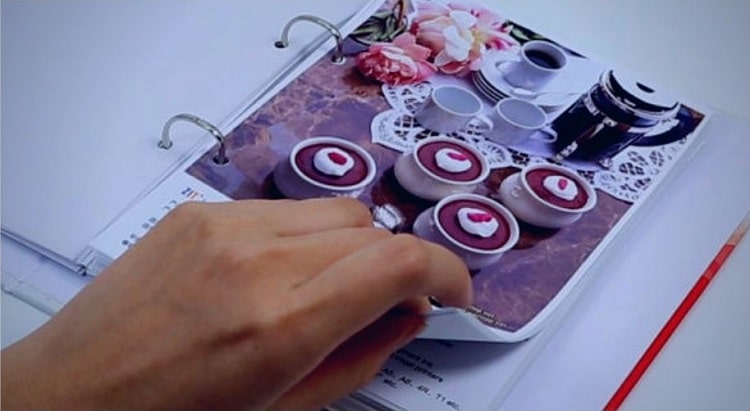
Glossy paper is inherently non-absorbent. Unlike standard copy paper, its coated surface is engineered to hold ink on top rather than soak it in — that coating is what produces the vivid depth and high contrast that makes photo prints pop. It's also what makes proper drying technique non-negotiable. According to inkjet printing principles, ink droplets must bond with the coating layer through either absorption or surface adhesion, depending on the ink chemistry — and rushing that process guarantees damage.
Whether you're printing event photography, scrapbook layouts, or professional promotional materials, the same core principles apply. This guide covers every variable that affects drying time, walks you through a reliable process, and dismantles the misinformation that causes most problems. If you're working with craft printers specifically, the art and craft printer category on this site covers machines tested with exactly this kind of specialty media in mind.
Contents
- How to Dry Printer Ink on Glossy Paper: A Step-by-Step Process
- Where Proper Ink Drying Makes or Breaks the Final Product
- Diagnosing Why Your Ink Smears or Won't Set
- How Printer and Ink Type Affect Drying on Glossy Paper
- Misconceptions About Drying Printer Ink on Glossy Paper
- The Real Cost of Getting Ink Drying Wrong
- Frequently Asked Questions
- Final Thoughts
How to Dry Printer Ink on Glossy Paper: A Step-by-Step Process
Consistent results aren't about luck — they come from controlling the right variables before and after the print job runs. Follow these steps in sequence and you'll eliminate smearing almost entirely.
Choose the Right Glossy Paper Grade
Your paper choice is the single biggest factor in drying success, and it's the one most people overlook. Photo paper designed for inkjet printers has a microporous or swellable coating engineered to accept and hold ink droplets quickly. Generic glossy paper — the kind sold in bulk without a specific inkjet designation — often lacks this coating entirely, which means ink sits fully exposed on the surface for minutes or longer, never properly curing.
Look for paper specifically labeled "inkjet photo paper" or "inkjet-compatible glossy." Paper weight matters too: heavier stocks at 200gsm and above tend to have more robust coatings that handle ink volume more reliably than budget 180gsm options. Always store your paper flat in its original sealed packaging until use — moisture-absorbed sheets from a half-opened ream have compromised coatings that dry dramatically slower than fresh stock.
Configure Your Printer Settings Before You Print
Your printer's media settings control how much ink it deposits per pass. If you're printing on glossy paper but your printer thinks it's running plain copy paper, it over-saturates the surface — the leading cause of pooling and slow drying. Always match the media type in your print driver to the actual paper loaded in the tray. This single adjustment often resolves persistent smearing entirely.
Set print quality to "Best" or "Photo" mode rather than "Draft." Draft mode dumps more ink to compensate for speed, which overloads the coating faster than it can process. Photo mode manages ink volume more precisely across each pass. Disable Fast Economy mode completely when using coated glossy media — it prioritizes throughput over ink management in ways that glossy surfaces cannot handle.
Color profiles matter more than most people realize. A miscalibrated profile forces heavier ink loads in specific channels to compensate for display-to-print color drift. If certain areas of your prints are consistently slow to dry or feel tacky in one color zone, that's a color management issue at the source. Reviewing our guide on how to calibrate your printer to match your monitor addresses that root cause before it costs you more wasted sheets.
Handle Prints Correctly Right After Printing
As each sheet exits the printer, lay it flat on a clean, dry surface immediately — glossy side up, nothing touching the printed face. Stacking fresh prints on top of each other is the fastest way to transfer ink between sheets and ruin an entire batch. Even light fingertip contact at the corners can leave permanent oil impressions on ink that hasn't fully set.
Allow a minimum of 60 seconds before touching the print surface directly. For high-density prints — deep blacks, saturated gradients, full-bleed designs — extend that window to 3 to 5 minutes. If you need to move prints sooner, pick them up from the very edges only, or use clean lint-free cotton gloves. A room temperature of 65 to 75°F (18 to 24°C) with relative humidity below 50% gives you the fastest, most reliable natural drying conditions available without any additional equipment.
Where Proper Ink Drying Makes or Breaks the Final Product
The stakes are different depending on what you're printing. Understanding your use case helps you calibrate exactly how much care and time to apply to the drying process.
Photo and Portrait Printing
Portrait and event photography on glossy paper demands the most disciplined drying practice. A smear across a wedding photo or graduation portrait is permanent — there's no recovering it. Reprinting on quality photo paper carries a real per-sheet cost, and the time investment of resetting and reprinting is just as significant.
For this work, always print to fresh paper from a sealed ream, and never rush handling regardless of how dry the surface feels. Surface-dry is not the same as fully cured — the coating may still be processing ink internally for several minutes after the surface no longer feels tacky. If you're looking for a dedicated machine for this work, our roundup of the best photo printers under $200 covers reliable options with ink systems designed for fast, consistent results on coated media.
Craft and Scrapbook Projects
Craft printing on glossy paper introduces a complication that photo printing doesn't: you're often cutting, layering, and adhering prints shortly after they come off the printer. That means the ink needs to be fully set — not just surface-dry — before you apply adhesive or handle pieces intensively. Laminate, heat-transfer elements, and adhesive applied over ink that isn't fully cured will cause it to re-liquefy and bleed at the edges, ruining both the print and the applied element.
For projects using 12x12 scrapbook paper, which often features heavy ink coverage across the full sheet area, a 15 to 30-minute resting period before cutting or adhering is a reliable minimum, especially in humid conditions. Cricut and vinyl-cutting projects have similar requirements — the best printers for Cricut Maker projects covers machines with ink systems that cure quickly on coated stocks, which makes a measurable difference in craft workflow speed.
Professional Marketing Materials
Business cards, event flyers, and promotional sheets printed on glossy paper need to look pristine before they reach anyone's hands. When printing in batches, ink drying becomes a workflow design problem. Print in sets of 15 to 20 sheets, allow each set to rest flat before moving to the next, and designate a separate holding area where no one handles prints until they've had adequate time to cure. A simple tray system with a timer eliminates the guesswork entirely.
Diagnosing Why Your Ink Smears or Won't Set
When how to dry printer ink on glossy paper becomes a persistent problem rather than an occasional inconvenience, something specific is wrong in your setup. Systematic diagnosis is faster and less expensive than random troubleshooting through trial and error.
Pro tip: If your prints smear consistently regardless of wait time, the problem is almost always an ink-to-paper incompatibility — not a printer malfunction. Swap the paper first before suspecting hardware.
Ink Type and Paper Compatibility
The most common culprit in persistent smearing is a mismatch between your ink formulation and your paper's coating type. Dye-based inks are water-soluble colorants dissolved in a liquid carrier that rely heavily on the paper's microporous layer to absorb and lock them in place. Pigment-based inks contain solid color particles that adhere to the coating surface through a different mechanism entirely. Using dye ink on paper designed for pigment — or vice versa — extends drying times dramatically and can produce prints that never fully cure regardless of how long you wait.
Check your printer's cartridge type and match your paper to it explicitly. Most consumer inkjet photo printers use dye-based ink; professional models often use pigment. Our in-depth comparison of dye ink vs. pigment ink explains exactly how each behaves on different paper surface types and which combinations produce the fastest, most durable results.
Environmental Factors That Slow Drying
Humidity is the most underestimated variable in the drying equation. At relative humidity above 70%, dye-based inks on glossy paper can take 10 to 20 minutes to reach safe handling state — not because the ink is wrong, but because the water vapor in the air slows carrier fluid evaporation. A dehumidifier near your print station, or simply improving room airflow with a fan, often resolves persistent smearing without any changes to your hardware or media.
Temperature extremes affect performance in both directions. Ink viscosity increases in cold environments, meaning ink sits on the coating longer before bonding. A room below 60°F (15°C) will noticeably extend drying times. Above 90°F (32°C), some glossy coatings soften slightly, causing ink to spread laterally rather than setting in place. The following table captures typical drying behavior across the conditions you're most likely to encounter.
| Condition | Ink Type | Expected Drying Time | Risk Level |
|---|---|---|---|
| Ideal (65–75°F, <50% humidity) | Dye-based | 60–90 seconds | Low |
| Ideal (65–75°F, <50% humidity) | Pigment-based | 30–60 seconds | Very Low |
| High humidity (>70%) | Dye-based | 10–20 minutes | High |
| High humidity (>70%) | Pigment-based | 3–5 minutes | Moderate |
| Cold room (<60°F / 15°C) | Dye-based | 5–15 minutes | Moderate–High |
| Uncoated or generic glossy paper | Either | 30+ minutes or never | Very High |
How Printer and Ink Type Affect Drying on Glossy Paper
The printer you use shapes the drying equation as much as the paper does. Different machines apply ink at different volumes, speeds, and droplet sizes — all of which determine how much the coating needs to process per unit area and how quickly that process completes.
Dye-Based vs. Pigment-Based Inks on Glossy Surfaces
Dye-based inks deliver their characteristic vibrancy and smooth tonal gradations because the colorant molecules penetrate the microporous layer and bond through absorption. That mechanism also makes them vulnerable during the drying window — any contact before the carrier liquid fully evaporates results in smearing. The visual richness you get from dye ink on a quality glossy surface is a direct trade-off with handling sensitivity during those first critical seconds after printing.
Pigment inks form a thin micro-layer on the coating's surface through adhesion rather than absorption. Pigment inks on compatible glossy paper are generally dry to the touch in under a minute under normal conditions, making them the practical choice for production environments where throughput matters. The tradeoff is paper compatibility — pigment inks require surfaces labeled "pigment-compatible" or "ultra-premium glossy." Using pigment ink on basic glossy paper often produces prints that look dry but scratch easily because the adhesion bond never fully forms.
Consumer vs. Professional Printers: Real Differences in Output
Consumer inkjet printers like the Canon PIXMA series or Epson Expression line use relatively large nozzles that deposit heavier ink droplets per pass. These machines are excellent for casual photo and craft printing, but heavy-coverage output — deep blacks, saturated gradients, full-bleed designs — takes longer to dry because the coating is handling a larger ink volume per square inch than it was optimized for at that droplet size.
Professional models such as the Epson SureColor or Canon imagePROGRAF series use smaller, more precisely controlled droplets distributed across more passes. The result is not just superior image quality but more uniform ink layering that dries faster and more consistently across the sheet. If you're printing large volumes of glossy content regularly, the per-sheet efficiency gains from a professional-grade machine are measurable in both output quality and wasted print reduction. For Mac users doing regular photo work, the best photo printers for Mac includes professional-grade options with excellent glossy media compatibility.
Misconceptions About Drying Printer Ink on Glossy Paper
Several pieces of advice circulate widely online that are either outright wrong or actively harmful when applied to glossy coated media. Here's what the evidence actually shows.
Myth: Applying Heat Always Speeds Up Ink Drying
This advice has some validity for plain copy paper, where accelerating evaporation straightforwardly shortens drying time. On glossy media, it's a different story. Most glossy photo paper coatings are heat-sensitive. Placing a freshly printed sheet under a heat gun, near a radiator, in direct sunlight, or over a warm lamp accelerates evaporation of the ink's carrier fluid faster than the coating can absorb the colorant — leaving uneven deposits, streaking, and in some cases a permanently tacky surface where the coating has partially softened.
The only safe method for accelerating drying on glossy paper is cool, dry airflow — a fan at room temperature positioned to move air across the print without touching it. A hair dryer set exclusively to cool air (never warm) at a minimum distance of 12 inches is acceptable in moderate cases. Direct heat sources of any kind are not appropriate for glossy photo paper and risk damaging both the print surface and the paper structure permanently.
Myth: All Glossy Papers Behave the Same Way
This is one of the costlier misconceptions to hold, because it causes people to chase hardware solutions for what is actually a media problem. There are at least four distinct glossy coating types available in retail channels: microporous, swellable polymer, cast-coated, and resin-coated (RC) paper. Each has a different ink acceptance rate, a different drying mechanism, and different compatibility profiles with dye vs. pigment inks.
Microporous papers dry fastest — ink is physically trapped in tiny surface pores within seconds of deposition. Swellable polymer papers absorb more slowly as the polymer layer expands around the ink molecules, which can require 15 to 30 minutes for full internal cure even though the surface feels dry to the touch much sooner. If your prints appear dry but smear when you apply laminate or cut with a blade, you almost certainly have swellable polymer paper that isn't fully cured internally. Switching to a microporous option from the same weight class resolves this immediately.
The Real Cost of Getting Ink Drying Wrong
Failed prints on glossy paper aren't just a frustration — they represent a direct material cost that compounds quickly in any printing workflow beyond the occasional snapshot.
Wasted Paper and Ink Add Up Fast
Premium glossy inkjet photo paper runs from $0.30 to over $1.50 per sheet for quality stock. A single smeared print is a complete loss. At scale — a 50-sheet batch run with even a 10% failure rate from handling errors — you're discarding five sheets per batch. Over a month of regular printing, that adds up to 20 to 30 wasted sheets, which translates to $6 to $45 in paper costs alone before accounting for ink.
Ink cartridges for photo printers aren't cheap either. Every failed print wastes the ink deposited on it, proportional to coverage density. Printers using individual per-color cartridges — the correct configuration for photo work, not tri-color combined carts — lose proportional volume from whichever channels carried the heaviest load on that print. Getting the drying workflow right is a budget line item, not just a quality-of-life issue.
Long-Term Impact on Equipment and Workflow
Consistent mishandling of freshly printed glossy sheets affects your printer over time. Ink smeared back into the paper feed path from improperly handled output builds up on feed rollers, creating recurring streak marks on subsequent prints that look like print-head problems but aren't. Cleaning rollers contaminated with dried ink typically requires manual cleaning with isopropyl alcohol — a careful process that risks damaging delicate rubber components if done improperly, and one that is entirely avoidable.
For color-critical work — professional photography, print-on-demand products, crafts where color matching to a specific reference is required — smeared prints introduce random color mixing errors that can skew your entire workflow assessment. You may find yourself chasing color profile issues or hardware problems that don't actually exist, spending time and money on solutions to a handling problem. Building a simple, consistent post-print drying routine eliminates this category of false positives entirely.
Frequently Asked Questions
How long does printer ink take to dry on glossy paper?
Under ideal conditions — 65 to 75°F with relative humidity below 50% — dye-based ink dries to a safe handling state in 60 to 90 seconds on quality inkjet photo paper. Pigment-based ink on compatible glossy paper reaches that state in 30 to 60 seconds. High humidity, cold temperatures, or uncoated glossy paper can extend that window to 10 to 20 minutes or longer. Full internal cure, where the ink is stable enough for laminating or adhering, takes up to 30 minutes for heavy-coverage prints regardless of surface feel.
Can I use a hair dryer to speed up ink drying on glossy paper?
Only if set to cool air exclusively, and held at least 12 inches from the print surface. Warm or hot air from a hair dryer softens the heat-sensitive coating on most glossy photo papers, causing ink to spread, streak, or become permanently tacky. Cool airflow from a fan or a hair dryer on its lowest cool setting accelerates evaporation of the ink carrier fluid without damaging the coating. Never use direct heat sources — lamps, radiators, or warm settings on any appliance — near freshly printed glossy sheets.
Why does my ink smear on glossy paper even after waiting for it to dry?
The most common reason is an ink-to-paper incompatibility. Dye-based inks used on paper designed for pigment inks, or vice versa, may feel surface-dry while the ink-coating bond is still incomplete and remains susceptible to mechanical disturbance. A secondary cause is using generic glossy paper without an inkjet-specific coating — this paper has no mechanism to lock ink in place and will smear long after the surface appears dry. Check that your paper is labeled "inkjet-compatible" and matches your printer's ink type, and the problem typically resolves immediately.
Does the type of ink affect how quickly it dries on glossy paper?
Yes, significantly. Pigment-based inks adhere to the surface of glossy coatings through adhesion and dry faster under most conditions than dye-based inks, which rely on absorption into the coating layer. On compatible paper, pigment ink is typically dry to the touch in under a minute; dye ink requires 60 to 90 seconds at minimum and much longer in humid environments. The ink-to-paper pairing matters as much as the ink type itself — pigment ink on paper not designed for it performs no better than dye ink on the wrong surface.
Final Thoughts
Getting printer ink to dry correctly on glossy paper comes down to three decisions made before you even hit print: the right paper for your ink type, the correct media settings in your print driver, and a simple hands-off handling routine for the first two minutes after each sheet exits. Start with those fundamentals, consult the drying time table above when conditions vary, and you'll spend far less time troubleshooting and far more time producing prints worth keeping. Pick up one sheet of quality inkjet photo paper, apply these settings today, and see the difference a single properly configured print job makes.



About Chris & Marry
Chris and Mary are a couple with a shared background in graphic design and print production who have spent years working with printers across creative and professional contexts — from art printing and photo output to label production and professional document work. Their combined experience evaluating printer performance, color accuracy, and paper handling across inkjet and laser platforms gives them a practical, hands-on perspective on what makes a printer worth buying. At ShopChrisAndMary, they cover printer reviews, buying guides, and recommendations for artists, photographers, and professional users.
Time to get FREE Gifts. Or latest Free printers here.
Disable Ad block to reveal all the info. Once done, hit a button below