Learning how to print on cardstock with an HP printer is simpler than most people expect. Load your cardstock into the manual feed tray, set your media type to "Cardstock" or "Heavy Paper" in the print driver, and reduce print speed if your model allows it. Those three adjustments cover the core of the process. But if you want consistent, jam-free results on every project — greeting cards, invitations, business cards, or art prints — the details matter. This guide covers everything from setup to troubleshooting. For machine recommendations built around craft work, browse our art and craft printer reviews first.
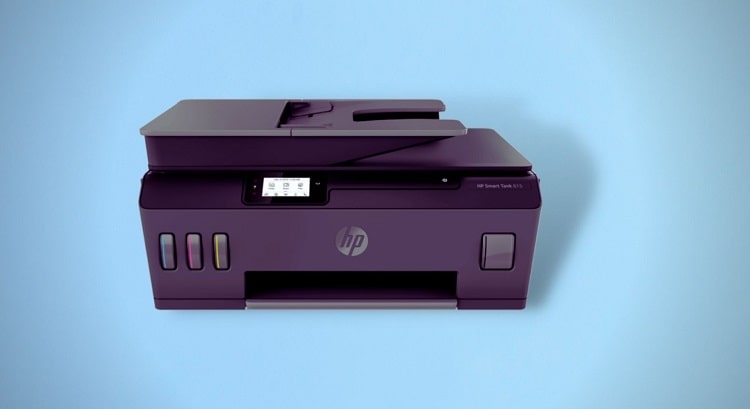
Cardstock is measured in pounds (lb) or grams per square meter (gsm). Standard cardstock runs from 65 lb (176 gsm) to 110 lb (300 gsm). Most HP inkjet and laser printers handle up to 80 lb comfortably. Push above 90 lb, and you need a printer with a straight paper path or one explicitly rated for heavy media. Before you buy a full ream, cross-check your cardstock's gsm rating against your printer's specification sheet — that maximum media weight figure is always listed. Paper weight standards vary by region, so verifying the gsm value is more reliable than trusting the lb label alone when sourcing international stock.
The difference between a clean, professional print and a jammed, smeared disaster usually comes down to three variables: the paper path you use, the media type setting in your driver, and the fusing or drying time your print gets. Get those right, and your HP printer handles cardstock without drama.
Contents
- What You Need Before You Start
- How to Set Up Your HP Printer for Cardstock
- HP Inkjet vs. Laser for Cardstock: A Direct Comparison
- Pro Tips for Getting Cardstock Results Right Every Time
- Cardstock Projects That Work Great on HP Printers
- What Cardstock Printing Actually Costs
- Troubleshooting Cardstock Problems on HP Printers
- Frequently Asked Questions
- Next Steps
What You Need Before You Start
You don't need special equipment to print on cardstock with an HP printer, but you do need to know your printer's limits and set yourself up correctly from the start. Jumping straight into printing without checking compatibility is the most common reason people run into jams and poor results.
Cardstock Specs Your HP Can Handle
Every HP printer has a maximum supported media weight listed in its spec sheet. Here's what those ranges mean in practice:
- 65–80 lb (176–216 gsm) — The sweet spot. Nearly every HP inkjet and laser handles this range without modification.
- 80–90 lb (216–244 gsm) — Compatible with most HP laser printers and mid-range inkjets. Always use the manual feed tray.
- 90–110 lb (244–300 gsm) — Requires a straight paper path. Supported by HP LaserJet Pro models and select OfficeJet Pro units, but not standard home inkjets.
- Above 110 lb (300+ gsm) — Specialty territory. Very few desktop printers support this. Check before buying.
If you're unsure how to read your paper's weight, the guide on how to measure the thickness of paper walks you through both the lb and gsm systems with practical examples.
Choosing the Right Feed Path
This is where most people go wrong. Cardstock is stiff. It doesn't bend through curved paper paths the way copy paper does. When you force heavy stock through a curved path, you get jams — or worse, the card gets creased and the print is ruined.
- Manual feed slot — Use this for all cardstock work. It provides a shorter, straighter path than the main tray.
- Rear output tray — If your HP laser printer has a rear exit door, open it. This creates the straightest possible paper path, which is essential for 90 lb and above.
- Standard input tray — Fine for 65–70 lb cardstock on most HP printers. Anything heavier, skip it.
Feed your cardstock one sheet at a time when working with unfamiliar stock. Once you confirm the printer handles it cleanly, you can load a small stack — but never more than 10–15 sheets at once.
How to Set Up Your HP Printer for Cardstock
The right hardware setup gets you halfway there. The other half is in your printer driver settings. HP's driver gives you direct control over how the printer handles media, and using the wrong settings is the fastest way to get poor results even with a capable machine.
The Essential Driver Settings
Open your print dialog, then click "Properties" or "Printer Properties" to access the full driver. Look for these settings:
- Paper/Quality tab → Media Type — Select "Cardstock," "Heavy Paper," or "Thick Paper." If your driver doesn't list cardstock specifically, choose the heaviest option available.
- Paper Size — Match this exactly to your cardstock sheet size. Mismatches cause feed errors.
- Print Quality — Set to Normal or Best. Draft mode uses less ink or toner but produces weaker adhesion on heavy stock.
- Paper Source — Select Manual Feed or the specific tray where you loaded your cardstock.
On HP OfficeJet and ENVY models, you'll find these settings under the "Advanced" tab as well. Always save your cardstock profile as a custom preset — it saves setup time on future jobs.
Advanced Options for Better Output
If you're using an HP LaserJet Pro or an HP OfficeJet Pro, dig deeper into the driver for these additional controls:
- Print Speed — Slower speed gives the fuser more time to bond toner to the cardstock surface. On laser printers, this makes a significant difference in print durability.
- Color Density / Ink Volume — Reduce ink volume slightly on inkjet models when printing on coated cardstock. Oversaturation causes smearing and buckling.
- Two-sided printing — Turn off automatic duplex when printing on cardstock. Always flip manually. If you need duplex output, the guide on how to print on both sides of paper for HP printers covers the manual flip process in detail.
HP Inkjet vs. Laser for Cardstock: A Direct Comparison
The question of which printer type handles cardstock better doesn't have a single answer — it depends on what you're printing and what results you need. Here's an honest breakdown.
| Feature | HP Inkjet (OfficeJet/ENVY) | HP Laser (LaserJet Pro) |
|---|---|---|
| Max cardstock weight | Up to 80 lb (216 gsm) typical | Up to 90–100 lb (244–271 gsm) typical |
| Color vibrancy | Excellent — rich, photo-quality color | Good — slightly less saturated |
| Drying time needed | Yes — 30–60 seconds minimum | No — output is immediately dry |
| Smear resistance | Moderate (uncoated stock) | High — toner is heat-fused |
| Paper jam risk | Moderate on 80+ lb stock | Lower with straight paper path |
| Cost per page | Higher (ink cartridges) | Lower at volume (toner) |
| Best for | Photo cards, art prints, invitations | Business cards, tags, high-volume batches |
When to Choose Inkjet
HP inkjet printers — particularly the OfficeJet Pro and ENVY Photo lines — produce richer color on cardstock than most laser machines. If your project demands vivid photos, deep gradients, or photographic imagery, inkjet is the better tool. Coated cardstock pairs especially well with inkjet, as the coating prevents excessive ink absorption and keeps edges sharp.
The tradeoff is drying time. Inkjet prints on cardstock need at least 30–60 seconds before handling, and uncoated stock may take longer. Rushing that step causes smearing.
When to Choose Laser
HP laser printers fuse toner directly into the paper surface using heat. The result is a smear-proof, water-resistant print that's ready to handle immediately. For high-volume jobs — think 50 business cards or a batch of event tags — laser is significantly faster and cheaper per page. The straight paper path on HP LaserJet Pro models also means fewer jams on heavier cardstock weights.
Pro Tips for Getting Cardstock Results Right Every Time
Small habits separate clean, consistent prints from frustrating failures. These tips come from real cardstock printing experience — not just driver menu navigation.
Before You Print
- Fan the stack before loading. Static cling causes multiple sheets to feed at once, which jams the printer instantly.
- Test with one sheet first. Run a single sheet before committing to a full batch. Check for jam, smearing, or misalignment.
- Let cardstock acclimate. Cold or humid cardstock warps more easily. Store it at room temperature for 30 minutes before printing.
- Check ink or toner levels. Low supplies produce uneven coverage on heavy stock before they cause issues on regular paper.
- If you're printing on dark or black cardstock, the challenges are different — our dedicated guide on how to print on black cardstock covers the specific approach for that.
During and After Printing
- Don't stack output immediately. Lay inkjet prints flat and let them air dry individually for at least a minute before stacking.
- Use the rear output tray on laser printers whenever possible. This keeps the paper path straight and reduces stress on thick stock.
- If your output comes out lighter than expected, the guide on how to make your printer print darker covers driver adjustments that fix low-density output on heavy media.
- Print a test copy on regular paper first to verify layout, then switch to cardstock for the final run. This preserves your cardstock and catches alignment issues early.
Cardstock Projects That Work Great on HP Printers
Knowing how to print on cardstock opens up a wide range of practical and creative projects. Here are the most common uses and what you should know about each.
Cards, Invitations, and Tags
Greeting cards and event invitations are the most popular cardstock printing project by a wide margin. HP inkjet printers handle these beautifully when you use 80 lb coated cardstock. For half-fold card designs specifically, the guide to printing half-fold greeting cards walks through the layout setup step by step, including how to configure your print driver for folded output.
Gift tags, hang tags for handmade products, and event name tags all work well on 65–80 lb cardstock. Cut to size after printing for clean edges. A paper trimmer produces a sharper edge than scissors on coated stock.
Business Cards and Art Prints
Printing your own business cards on cardstock is a cost-effective option for small batches. Use 90 lb (244 gsm) or heavier for a professional feel, and run these through a laser printer for smear-proof results. HP LaserJet Pro models handle this weight consistently when the rear exit door is open.
Index cards are another practical application. If you use HP printers for index card printing regularly, the how to print index cards on an HP printer guide covers the sizing and tray setup in detail.
Art prints on cardstock — illustrations, digital artwork, prints for framing — benefit from HP inkjet printing on heavyweight matte cardstock. The texture holds ink without bleeding, and the result has a quality that standard photo paper doesn't match for certain styles of work.
What Cardstock Printing Actually Costs
Budget matters. Understanding your real cost per print helps you decide when home printing makes sense versus ordering from a print shop.
Paper Costs
Cardstock pricing varies significantly by weight, finish, and brand:
- 65 lb cardstock (50-sheet pack) — roughly $6–$10. This is the most affordable entry point and works on nearly every HP printer.
- 80 lb cardstock (50-sheet pack) — typically $10–$15. The best balance of quality and compatibility for most projects.
- 90–110 lb cardstock (25-sheet pack) — $12–$20 or more, depending on finish. Coated premium stock costs significantly more.
- Bulk (500 sheets) — Buying in reams drops the per-sheet cost dramatically for high-volume users. Expect $40–$80 depending on weight.
Ink and Toner Running Costs
The media is only part of the equation. Your ink or toner cost per page matters too:
- HP inkjet cartridges — Standard cartridges run 5–15 cents per page on regular paper. Cardstock prints at full quality consume more ink, pushing this to 10–25 cents per page for color-heavy designs.
- HP toner cartridges — Laser printing typically costs 2–8 cents per page at volume. For cardstock business cards or tags printed in bulk, laser is the clear winner on running cost.
- HP Instant Ink subscription — If your printer is enrolled, page count is what matters, not ink used per page. This can make inkjet printing on cardstock significantly cheaper for subscribers.
For most home users printing occasional batches of cards or invitations, the total cost per project — paper plus ink — runs $0.30–$0.80 per sheet depending on design complexity. Print shop pricing typically starts at $1.00–$2.50 per card for comparable quality.
Troubleshooting Cardstock Problems on HP Printers
Even with correct settings, cardstock printing surfaces problems that regular paper never causes. Here's how to fix the most common ones.
Paper Jams and Feed Issues
The most frequent cause of cardstock jams is using the wrong paper path. If you're feeding through the main tray on heavy stock, switch to the manual feed slot immediately. Beyond that:
- Multiple sheets feeding at once — Fan the stack and reload. Reduce to 5 sheets max if the problem persists.
- Sheet curls at entry and jams — The cardstock is too stiff for the path curvature. Use the rear exit tray on laser printers to straighten the path.
- Sheet feeds partway then stops — Check your media size setting. A mismatch between the physical sheet and the driver size causes mid-feed stops.
- Repeated jams on the same printer — Run a few sheets of regular paper to clear debris, then clean the feed rollers with a lint-free cloth dampened with water.
Print Quality Problems
- Smearing on inkjet output — Reduce ink volume in the driver settings, switch to coated cardstock, and allow longer drying time. Never stack wet prints.
- Toner not adhering on laser output — The fuser temperature may be too low for heavy stock. Enable the "Heavy Paper" or "Cardstock" media type in the driver — this adjusts fuser temperature automatically on HP LaserJet models.
- Uneven color across the sheet — Low ink or toner is the usual culprit. Check levels and replace if below 20%.
- Banding or streaks — Run a printhead alignment or cleaning cycle from HP's printer software. On laser printers, remove and gently shake the toner cartridge to redistribute toner.
- Output lighter than expected — Increase print quality from Normal to Best in the driver. If printing on uncoated matte cardstock, the surface absorbs ink heavily — coated stock produces darker, more saturated results.
Frequently Asked Questions
Can all HP printers print on cardstock?
Most HP printers can handle cardstock up to 80 lb (216 gsm). Heavier stock — 90 lb and above — requires a printer with a straight paper path or one explicitly rated for heavy media, such as the HP LaserJet Pro series. Check your printer's specification sheet for the maximum supported media weight before purchasing cardstock.
What is the best HP printer for cardstock printing?
For color-heavy projects like invitations and art prints, the HP OfficeJet Pro 9015e or HP ENVY Inspire series deliver excellent results on cardstock up to 80 lb. For business cards and high-volume tags, the HP LaserJet Pro M404 or M479 handles heavier stock more reliably and produces smear-proof output immediately.
Do I need special cardstock for HP inkjet printers?
Coated inkjet cardstock produces the best results because the coating prevents ink from spreading into the paper fibers. However, standard uncoated cardstock also works — just reduce ink density slightly in the driver settings and allow extra drying time. Avoid glossy photo cardstock unless your printer is rated for it.
Why does my HP printer jam on cardstock?
The most common cause is using the standard input tray instead of the manual feed slot. Cardstock is too stiff to navigate curved paper paths reliably. Switch to the manual feed tray, enable the rear exit tray on laser models, and load no more than 10–15 sheets at a time. Always fan the stack before loading to prevent multi-sheet feeds.
What media type setting should I use for cardstock on HP printers?
Select "Cardstock," "Heavy Paper," or "Thick Paper" in the Media Type dropdown within your HP printer driver. This setting adjusts ink volume on inkjets and fuser temperature on laser printers — both critical for clean adhesion on heavy stock. If none of those options appear, choose the heaviest available media type.
Can I print on both sides of cardstock with an HP printer?
You can, but you should always flip manually rather than using the automatic duplex function. Cardstock is too heavy for most HP duplex mechanisms. Print side one, let it dry completely (inkjet) or cool for 30 seconds (laser), then flip and reload. This prevents jams and smearing on the second pass.
How do I get sharper, more vibrant prints on cardstock?
Use coated cardstock, set print quality to Best in the driver, and select the correct media type. On inkjet printers, coated stock keeps ink on the surface rather than absorbing it, which produces sharper edges and more saturated color. On laser printers, enabling the Heavy Paper fuser mode ensures full toner adhesion for consistent, rich output.
Next Steps
- Check your HP printer's specification sheet and confirm its maximum media weight before buying cardstock — then purchase one pack of 80 lb coated cardstock to start.
- Open your HP printer driver, navigate to the Paper/Quality tab, and create a saved preset with Media Type set to "Cardstock" or "Heavy Paper" so you don't have to reconfigure it each session.
- Print a single test sheet through the manual feed tray before running your full batch — verify alignment, color density, and that the sheet exits cleanly without jamming.
- If you're working on a specific project like greeting cards or index cards, read the matching guide on this site for project-specific layout and sizing tips.
- If results come out lighter or streakier than expected, run a printhead cleaning cycle or toner redistribution, then reprint — most quality issues resolve after one maintenance pass.



About Chris & Marry
Chris and Mary are a couple with a shared background in graphic design and print production who have spent years working with printers across creative and professional contexts — from art printing and photo output to label production and professional document work. Their combined experience evaluating printer performance, color accuracy, and paper handling across inkjet and laser platforms gives them a practical, hands-on perspective on what makes a printer worth buying. At ShopChrisAndMary, they cover printer reviews, buying guides, and recommendations for artists, photographers, and professional users.
Time to get FREE Gifts. Or latest Free printers here.
Disable Ad block to reveal all the info. Once done, hit a button below